Challenge and GT Days 2026 – Closing date for the registration 20th of April and Gala Dinner at the Pitlane Lounge

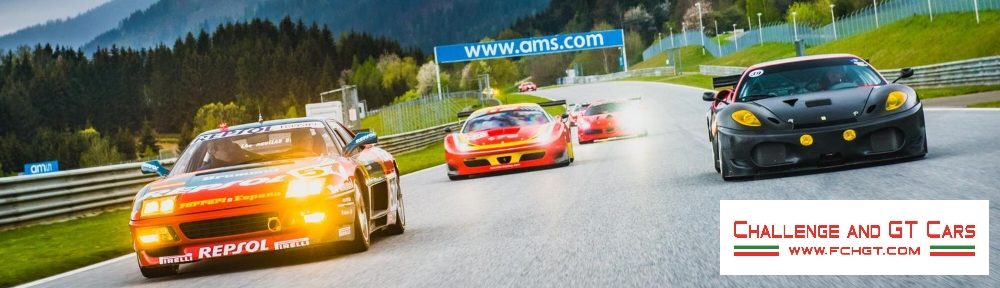
Dear friends, only around one week to the closing date 20th of April for our 9. Edition of the Challenge and GT Days 20 – 21 of May at temple of speed in Monza.

We still have space in all groups – details about the event here at https://www.fchgt.com/challenge-and-gt-days-2026/

Also I know that some you plan to come didn’t made the registration jet, please https://www.fchgt.com/registration/

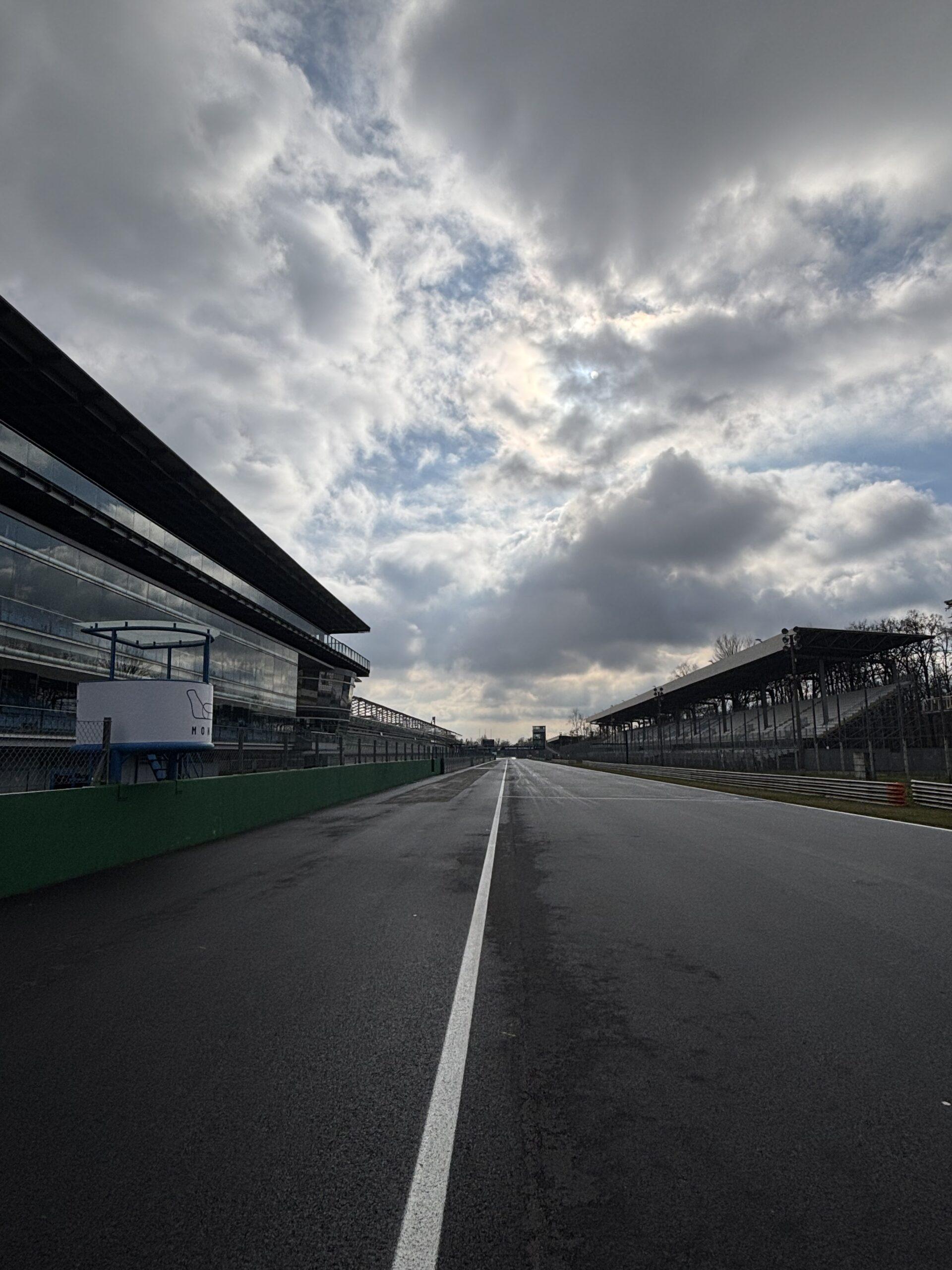
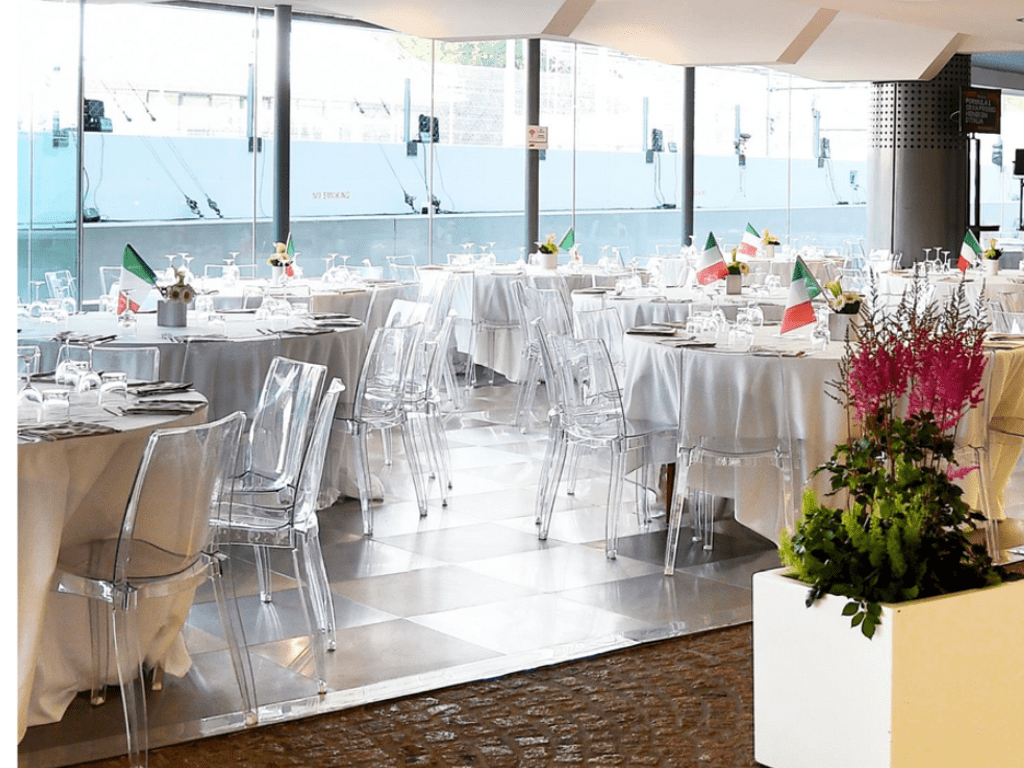
The news about our Gala Evening at the 20th of May, it will be spectacular with a Aperitivo – Welcome Drink at the starting grid (!) at 19.30

20.15 Gala Dinner by Scuderia GOHM at the Autodromo Nazionale Monza in the Pitlane Lounge

See you in MONZA for our 9th Edition Challenge and GT Days 2026

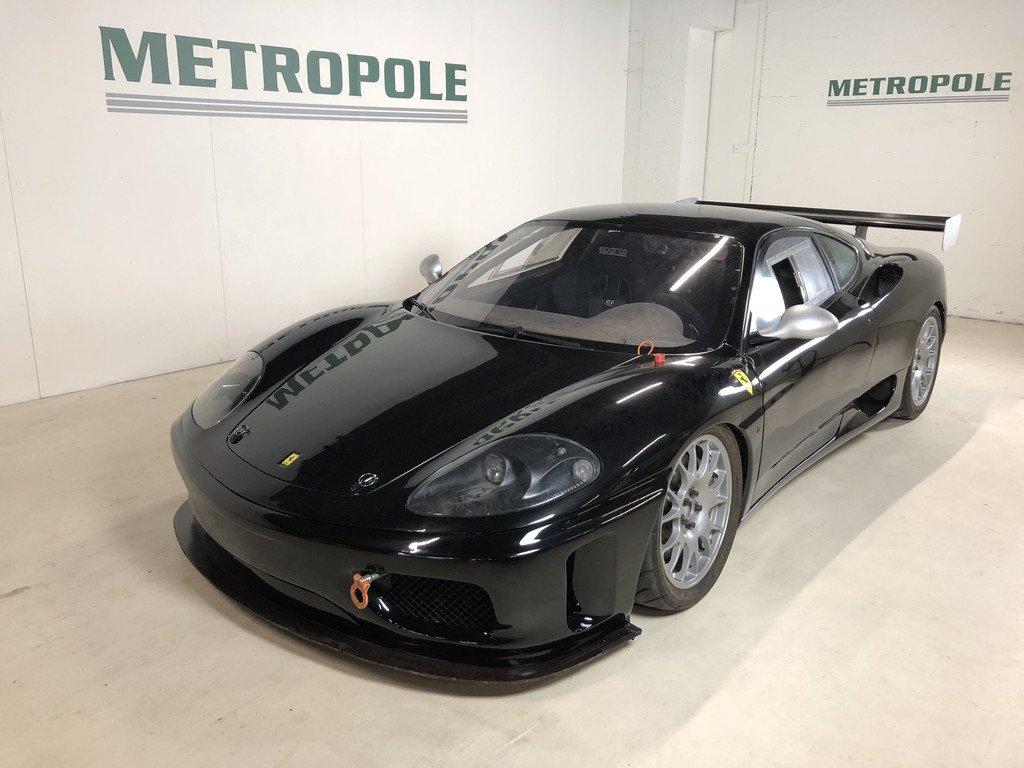
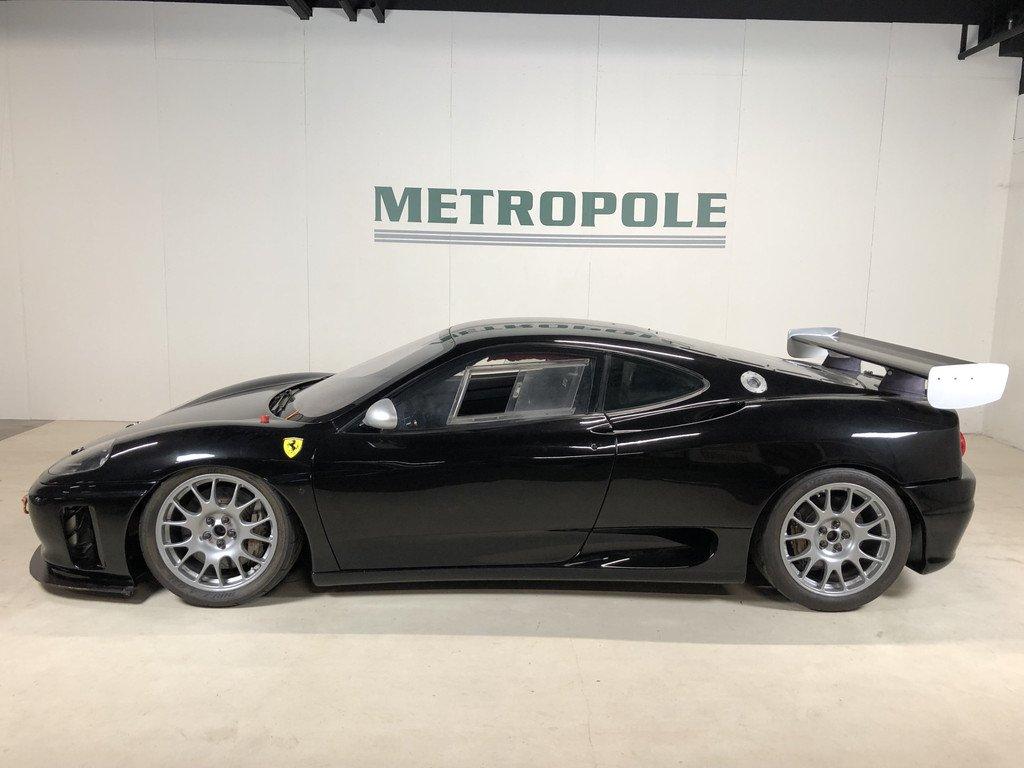
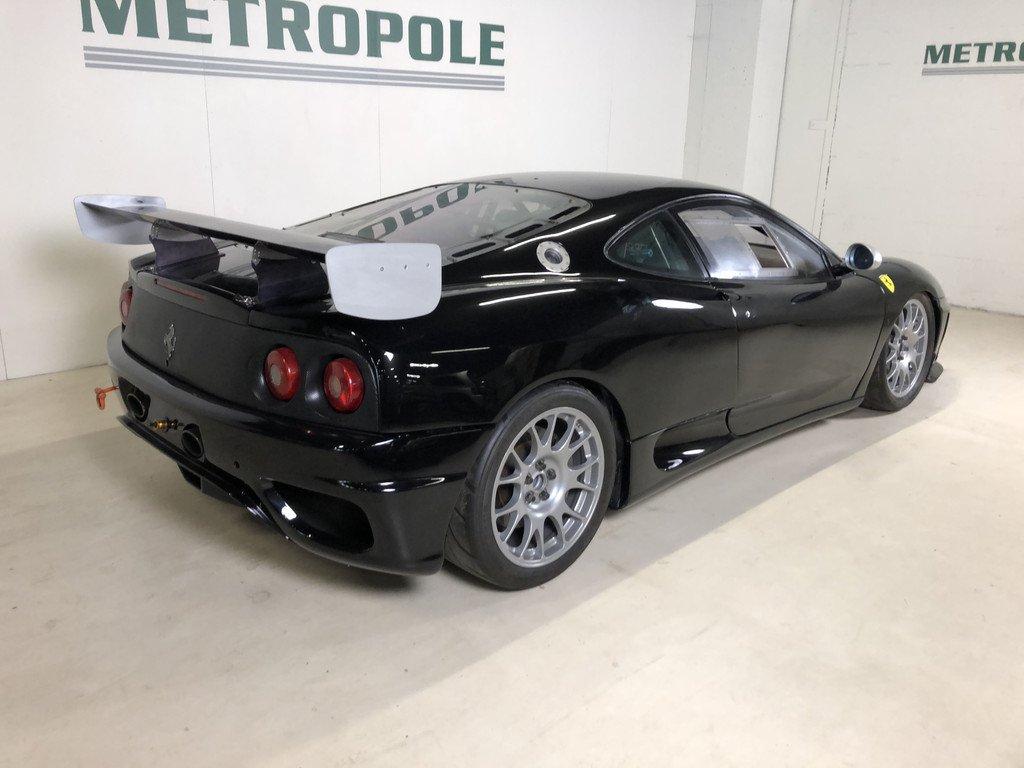
For sale – 2002 Ferrari 360 Challenge

For sal is a 2002 Ferrari Challenge in black. All details and more photos HERE at Classic Driver

5000 KM

Asking price is 99.500 EUR

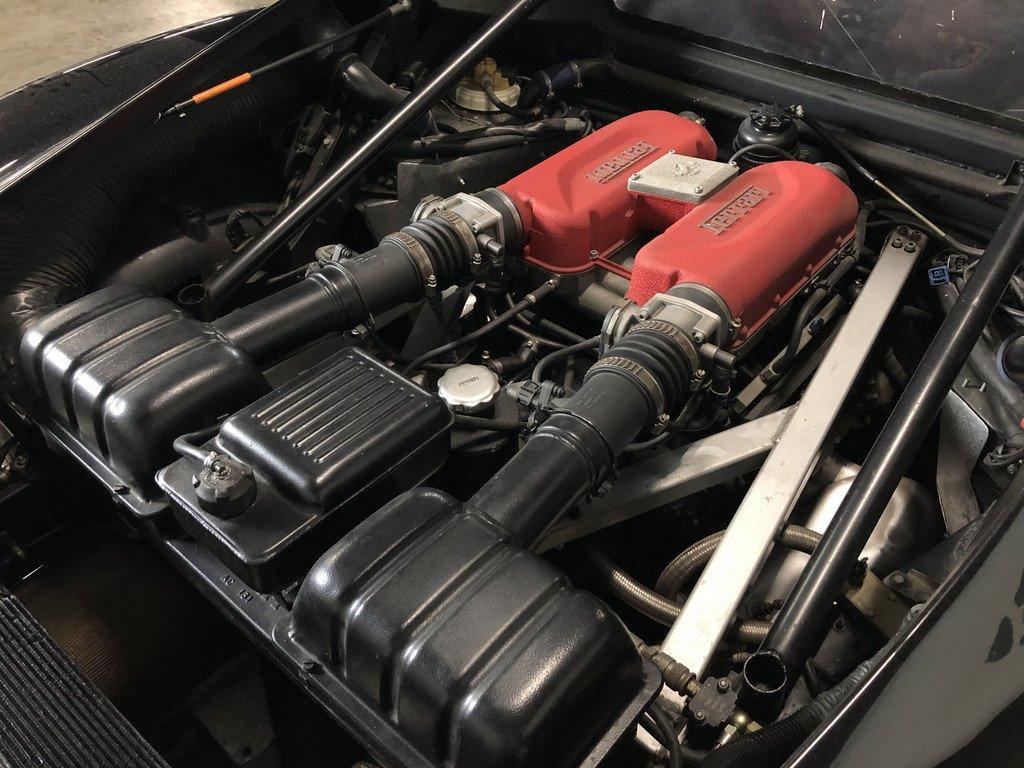
Number of cylinders: 8
Engine capacity: 3.586 cc
Empty weight: 1.180 kg
GVW: 1.180 kg
Top speed: 300 km/h

The Ferrari 360 is a sports car from the Italian car manufacturer Ferrari.

The car was sold in three versions, the Modena (a closed coupe), the Spider (a convertible) and the Challenge Stradale, a street legal racing version of the Modena. In addition to these road-going models, several F360s were released for the F360 Challenge racing class.

The 360 ​​gets its name from its 3.6 liter V8 engine that produces 400 hp. The road-going version accelerates from 0-100 km/h in 4.3 seconds. The 360 ​​was succeeded in 2004 by the Ferrari F430.

Introduced in 1999 as the successor to the Ferrari F355 and designed by Pininfarina, the 360 ​​was Ferrari’s first all-aluminum body. The six-speed transmission was available as a manual or as a sequential (Formula 1-like) gearbox.

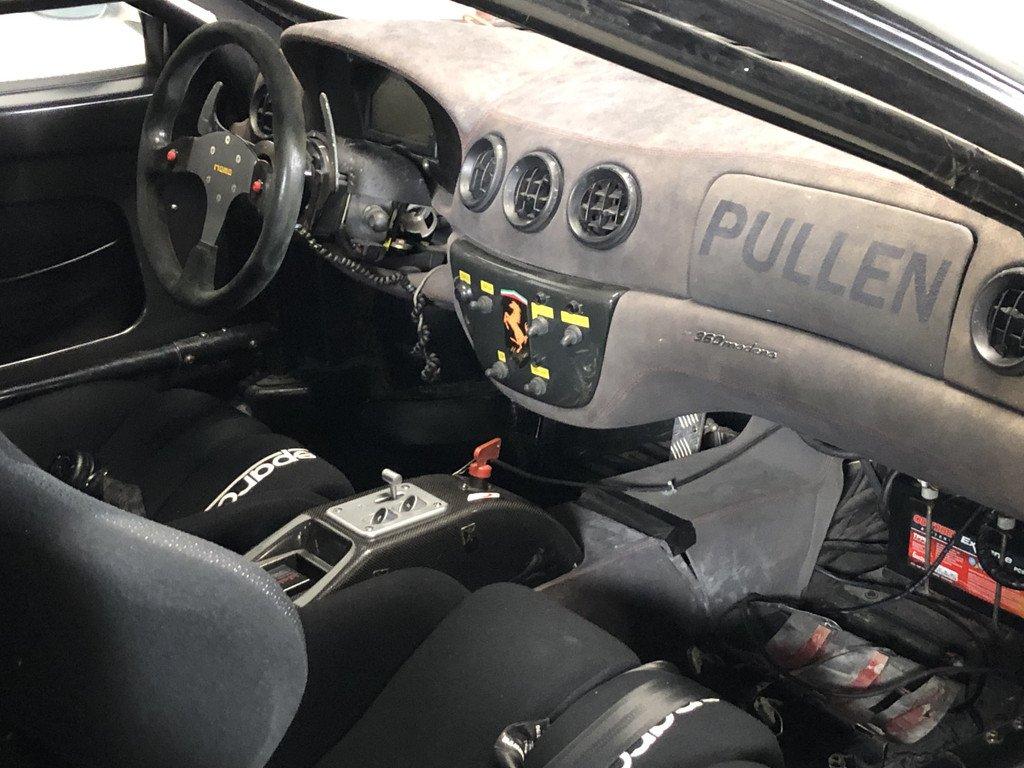
This Ferrari 360 Challenge presented here is finished in black with Sparco seats. Furthermore, there are BBS rims underneath with half slick tires, a carbon wing, a roll bar, four-point belts, plastic windows, a Momo steering wheel, a racing clutch, etc.

Furthermore, this Challenge also starts and drives perfectly.

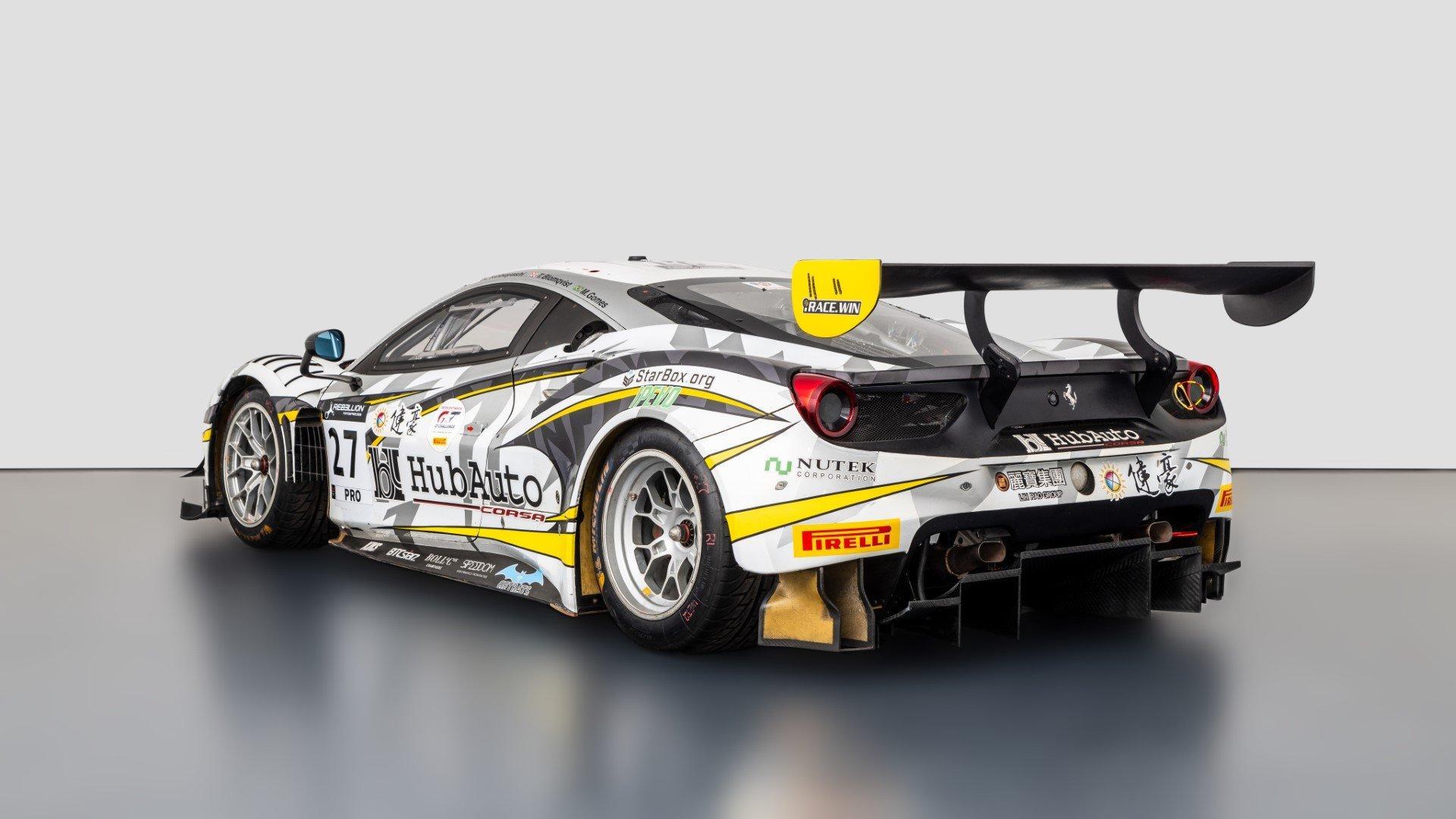
For sale – 2016 Ferrari 488 GT3 Evo

For sale by Mechatronik is a 2016 Ferrari 488 GT3 Evo

Alle Daten und mehr Bilder Hier auf Classic Driver

Beschreibung

  • Meisterfahrzeug Asian Le Mans Series 2019 / 2020
  • Mehrfacher Rennsieger
  • 24h Spa-Francorchamps 2020 Teilnehmer
  • Gefahren von Le Mans Sieger Kamui Kobayashi
  • Optimierte Evo Variante
  • Endurance Spezifikation
  • Inkl. Radsatz

Der Ferrari 488 GT3 Evo

Er ist die weiterentwickelte Version des erfolgreichen 488 GT3 und wurde offiziell im Rahmen der Ferrari Finali Mondiali in Mugello 2020 vorgestellt. Nach einem ersten sanften Update im Vorjahr erhielt das Fahrzeug als Evo Version eine umfassende Überarbeitung mit dem Ziel, Performance, Fahrbarkeit und Einsatzflexibilität im Kundensport weiter zu steigern. Im Fokus standen dabei insbesondere Verbesserungen in den Bereichen Aerodynamik, Fahrdynamik, Ergonomie, Sicherheit und Zuverlässigkeit. Ein zentraler Entwicklungsschwerpunkt lag auf der Aerodynamik, insbesondere an der Frontpartie. Ferrari investierte rund 18.000 Stunden in Berechnungen und CFD Simulationen sowie anschließende Windkanaltests, um die Strömungsverhältnisse zu optimieren. Das Ergebnis ist eine neu gestaltete Frontschürze mit reduzierter Fläche unterhalb der Scheinwerfer, ergänzt durch seitliche Flicks zur Erhöhung des Abtriebs an der Vorderachse. Zusätzlich wurden die Luftauslässe an den vorderen Radhäusern vergrößert und die vorderen Türbereiche verjüngt, um den Luftstrom um das Fahrzeug effizienter zu gestalten.

Auch in der Fahrdynamik wurde der 488 GT3 Evo deutlich weiterentwickelt. Der Radstand wurde verlängert, was neben erhöhter Fahrstabilität zu einem verbesserten Reifenmanagement und reduziertem Verschleiß führt. Gleichzeitig erleichterte diese Angleichung den Teams den Umbau zwischen GT3 und GTE Spezifikation. Darüber hinaus wurde das Fahrzeuggewicht reduziert, wodurch Teams mehr Spielraum bei der Ballastierung haben, um das vorgeschriebene Mindestgewicht optimal zu erreichen. Der bewährte 3,9 Liter V8 Biturbo Motor blieb in seiner Grundkonfiguration unverändert, erhielt jedoch eine überarbeitete Elektronik. Auch die Systeme für Traktionskontrolle und ABS wurden optimiert, um eine noch präzisere Abstimmung und bessere Fahrbarkeit zu ermöglichen. Im Innenraum wurde gemeinsam mit Sabelt ein neuer, leichterer und gleichzeitig stabilerer Rennsitz entwickelt, der sowohl die Sicherheit als auch die Ergonomie verbessert. Für Teams, die den 488 GT3 Evo im Langstreckeneinsatz nutzen, bietet Ferrari zudem ein optionales Endurance Paket an, das den Anforderungen längerer Renndistanzen gerecht wird. Insgesamt stellt der Ferrari 488 GT3 Evo eine konsequente Weiterentwicklung dar, die auf jahrelanger Rennerfahrung basiert und das Fahrzeug zu einem der vielseitigsten und erfolgreichsten GT3 Rennwagen seiner Generation macht.

Über das hier angebotene Fahrzeug

Dieser 488 GT3 Evo verfügt zusätzlich über das Endurance Paket, wodurch folgende Komponenten verbaut sind: Reifendruckkontrollsystem, Trinksystem, Klimaanlage, Endurance Bremssättel, Endurance Beleuchtung, Carbon Kupplung, Motec 4G Telemetrie- und Datenaufzeichnungssystem mit Rückfahrkamera inkl. im Armaturenbrett integriertem Display. Laut dem Vorbesitzer HubAuto wurde das Fahrzeug von dessen Rennteam zwischen 2018 und 2020 bei diversen Meisterschaften eingesetzt. Begonnen mit der Blancpain Asia Meisterschaft 2018, bei welcher das Fahrzeug zwei Rennsiege einfahren konnte, wodurch es letztendlich die Meisterschaft auf dem zweiten Platz beendete. Im Jahr 2019 folgte eine erneute Teilnahme an der Blancpain Asia Meisterschaft, welche nach soliden Rennergebnissen zum dritten Platz der Silver Cup Wertung führte. Im selben Jahr erfolgte die Teilnahme an der Asian Le Mans Series, welche dank siegreichen Ergebnissen zu dem Sieg der GT Teams Meisterschaft führte und diesen 488 GT3 Evo zum Meisterfahrzeug der Saison 2019 / 2020 krönte. Am 25. Oktober 2020 ging das Fahrzeug mit der Startnummer 27 bei dem 24 Stunden Rennen von Spa-Francorchamps mit der namhaften Besetzung Tom Blomqvist, Marcos Gomes und dem ehemaligen Formel 1 Fahrer, sowie Le Mans Sieger Kamui Kobayashi an den Start. Nachdem im Training ein neuer Motor eingebaut werden musste, verpasste das Team die vorgeschriebene Mindestanzahl absolvierter Runden, weshalb es das Rennen aus der Boxengasse starten musste. Nachdem das Trio im Rennen sagenhafte 41 Plätze gutmachte, musste das Fahrzeug schweren Herzens nach 23 Stunden und 45 Minuten aufgrund von erneuten Motorproblemen kurz vor dem Ziel abgestellt werden. Die Folierung dieses Rennens befindet sich bis heute auf dem Fahrzeug. Unter der Folie befindet sich rohes Sichtcarbon. Im Jahr 2022 kauften wir das Fahrzeug von HubAuto und behielten es über die folgenden Jahre in der Mechatronik Sammlung. Der Motor verfügt über eine Laufleistung von 3.050 km und das Getriebe von 4.450 km.

Für Detailfragen steht Ihnen unser Verkaufspersonal jederzeit gerne zur Verfügung. Bitte beachten Sie, dass Fahrzeugbesichtigungen grundsätzlich nur nach vorheriger Terminvereinbarung möglich sind. Bitte kontaktieren Sie unser Verkaufspersonal, um die individuelle Zoll- und Steuersituation zu besprechen.

For sale by RM Sotheby’s private sale – 2001 Ferrari 360 N-GT


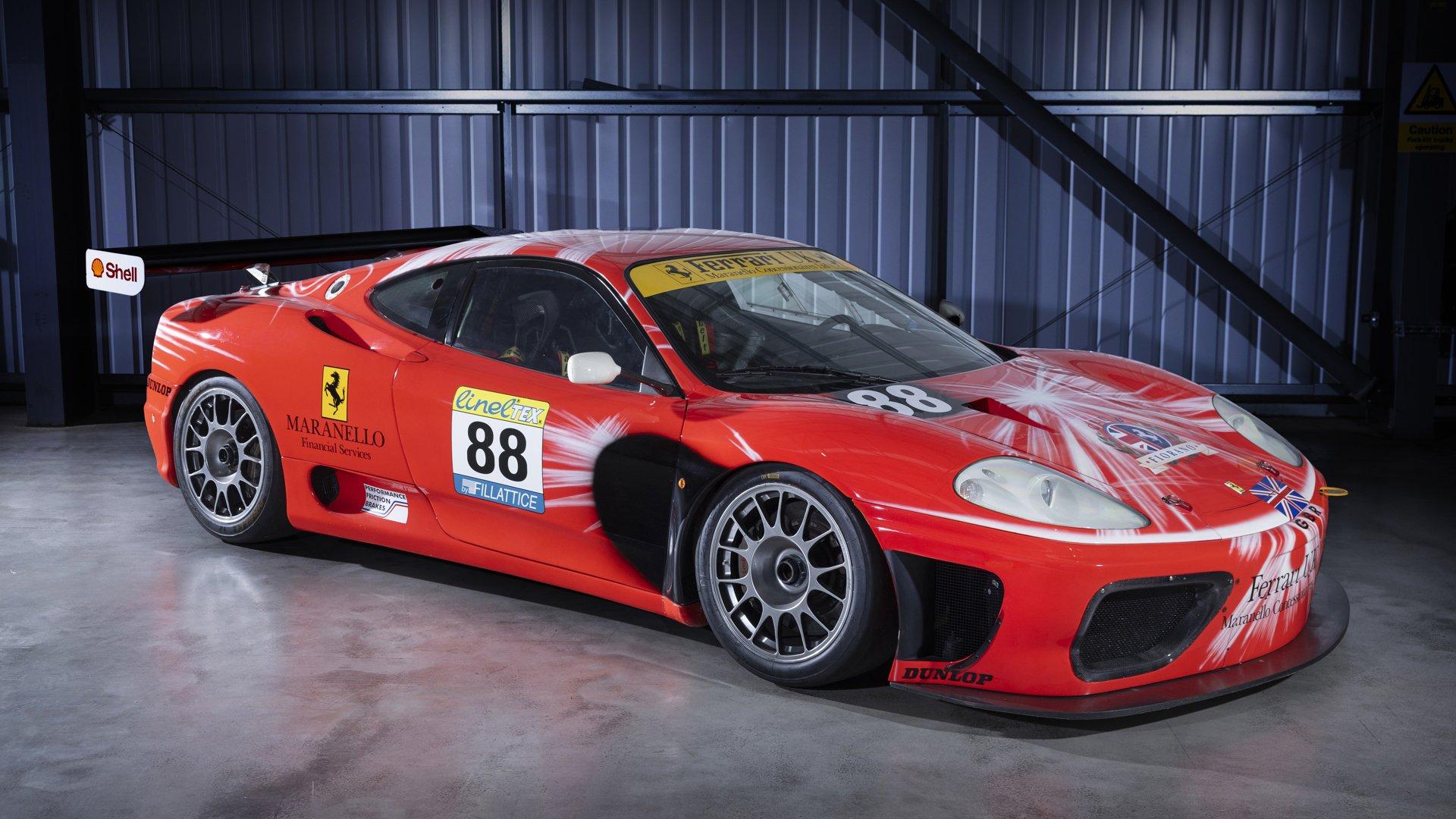
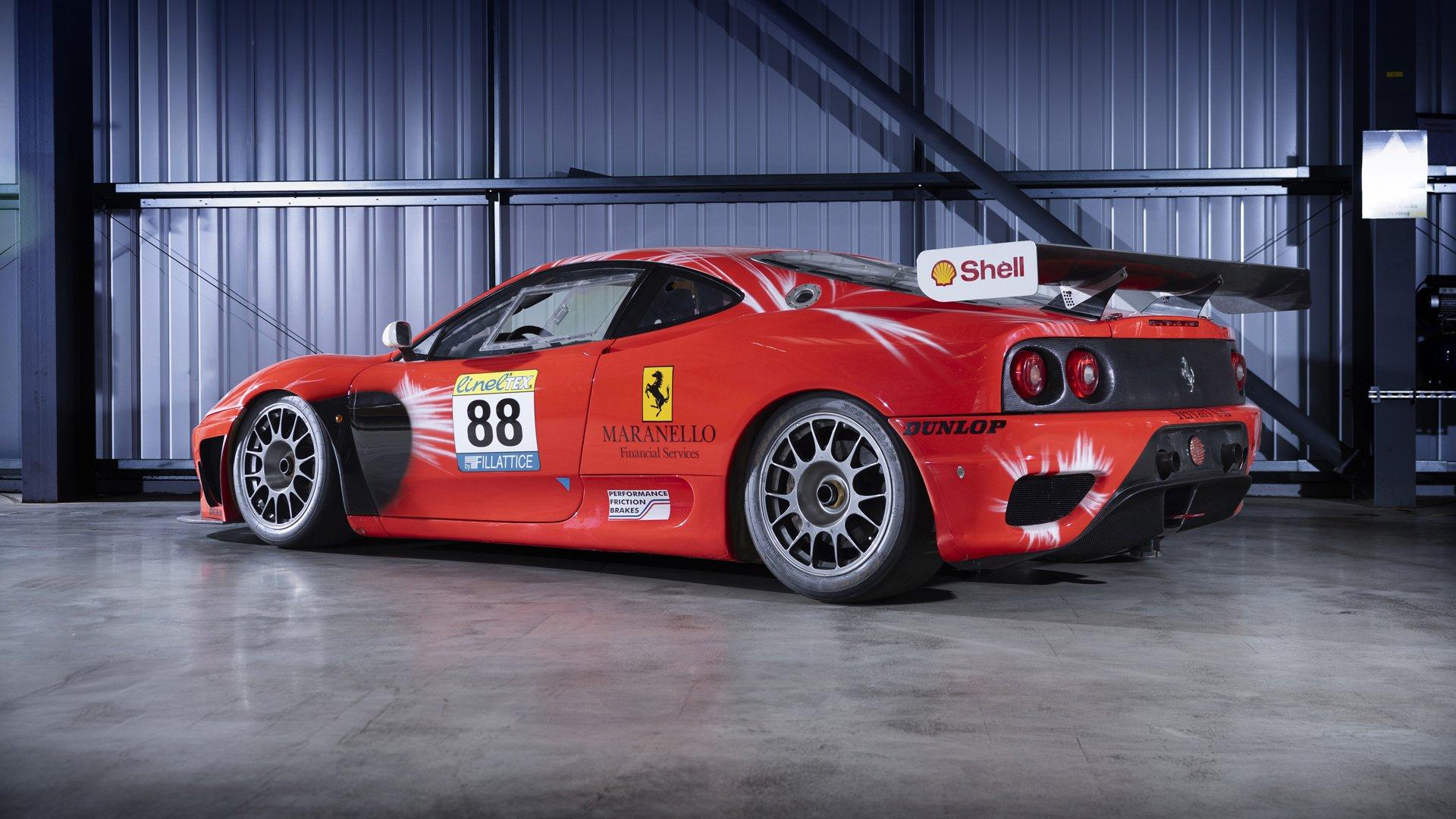
For sale by RM Sothebys – 2001 Ferrari 360 N-GT

£445,000 GBP | Asking

Chassis No. ZFFYR51B000188533

Michelotto Serial No. 011 M

All details and more pictures HERE at RM Sotheby’s

  • Built to N-GT specifications by Michelotto in 2002
  • Two podium finishes in the 2002 British GT Championship
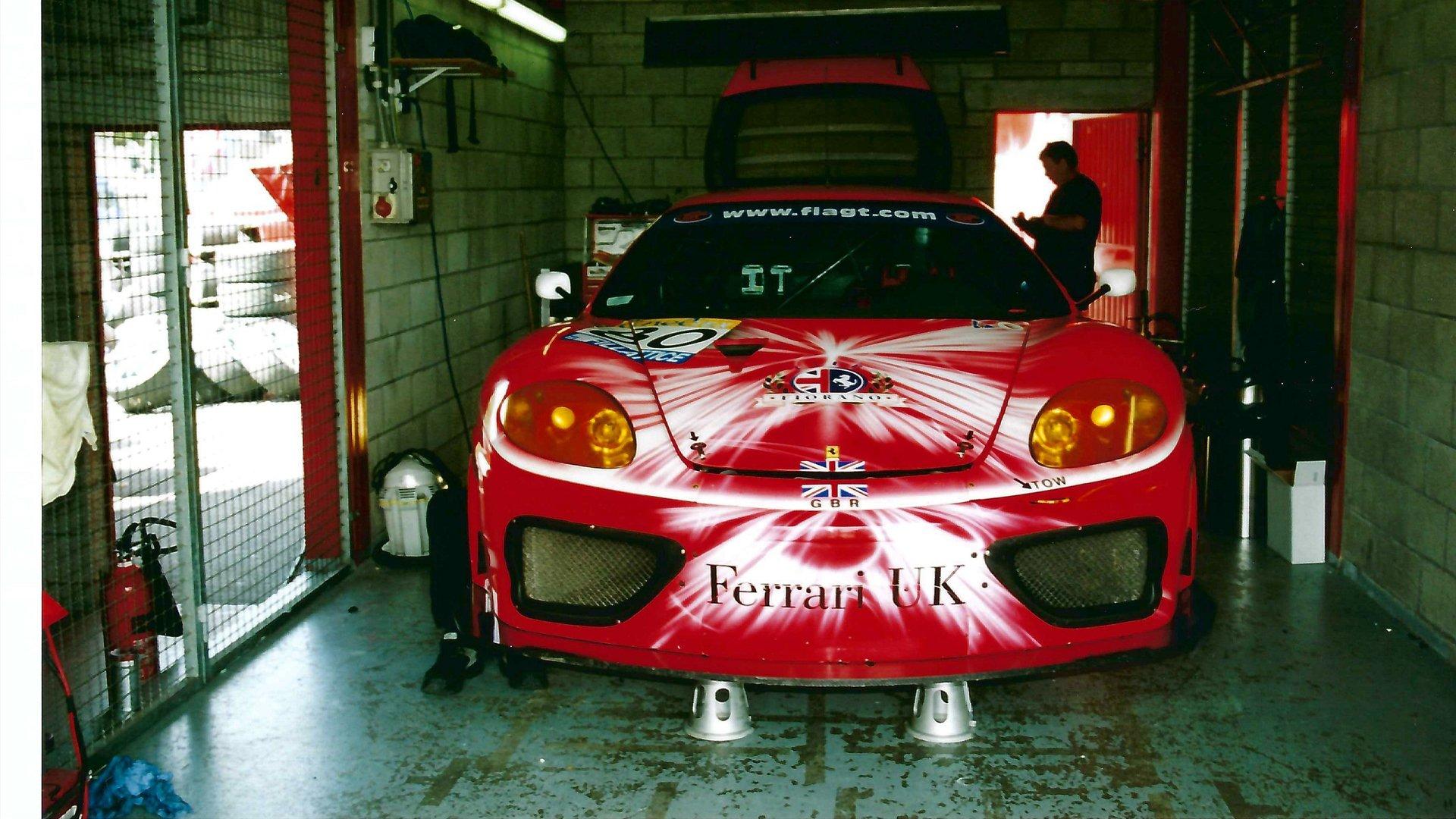
  • One of three 360 N-GTs developed and run by Team Veloqx and sponsored in period by Ferrari U.K.
  • One of 17 360 N-GTs built by Michelotto
  • Equipped with the Hewland NLT sequential transaxle as raced in period
  • Eligible for numerous historic racing series and events, including Ferrari’s Club Competizioni GT and Le Mans Classic

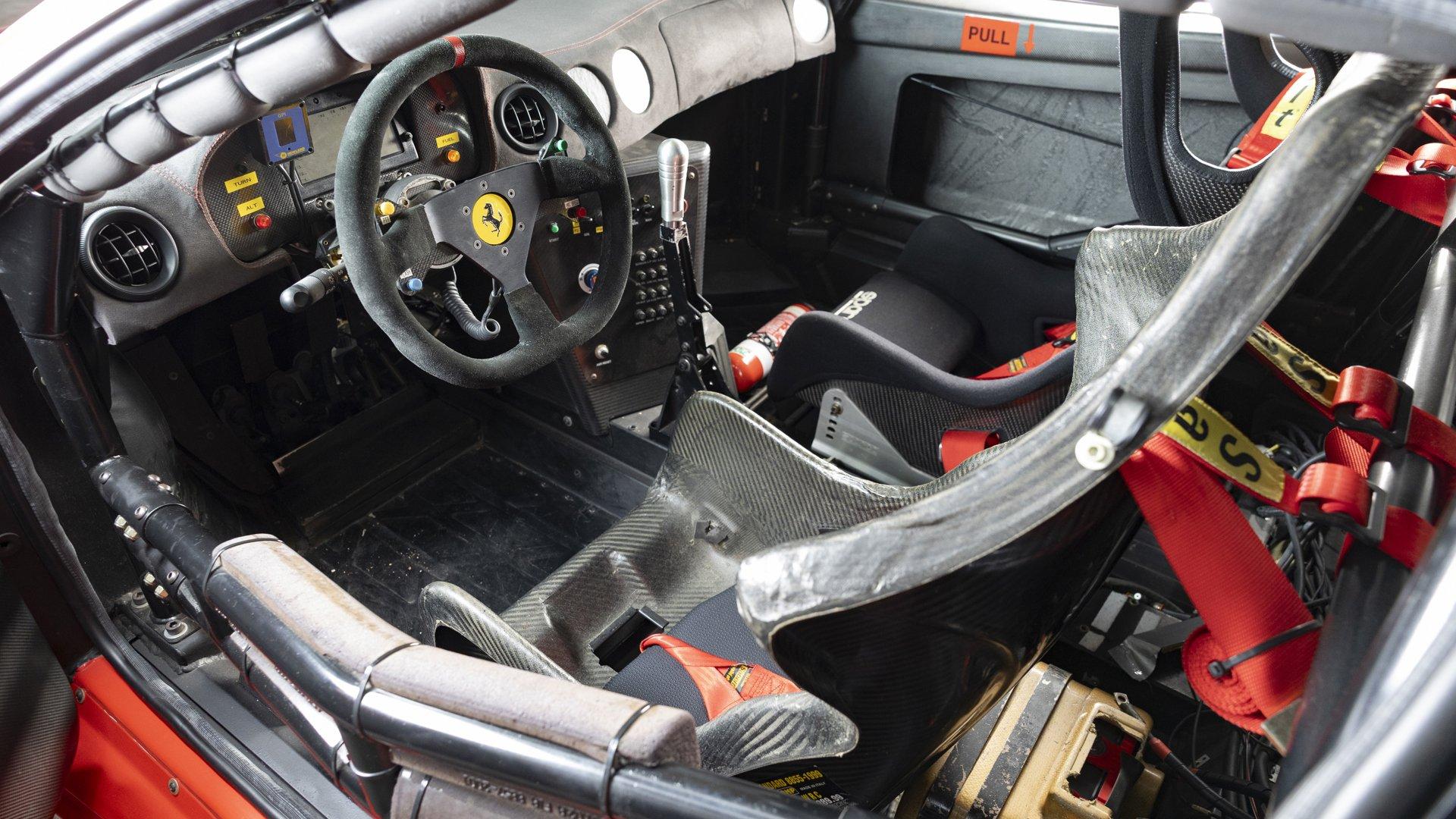
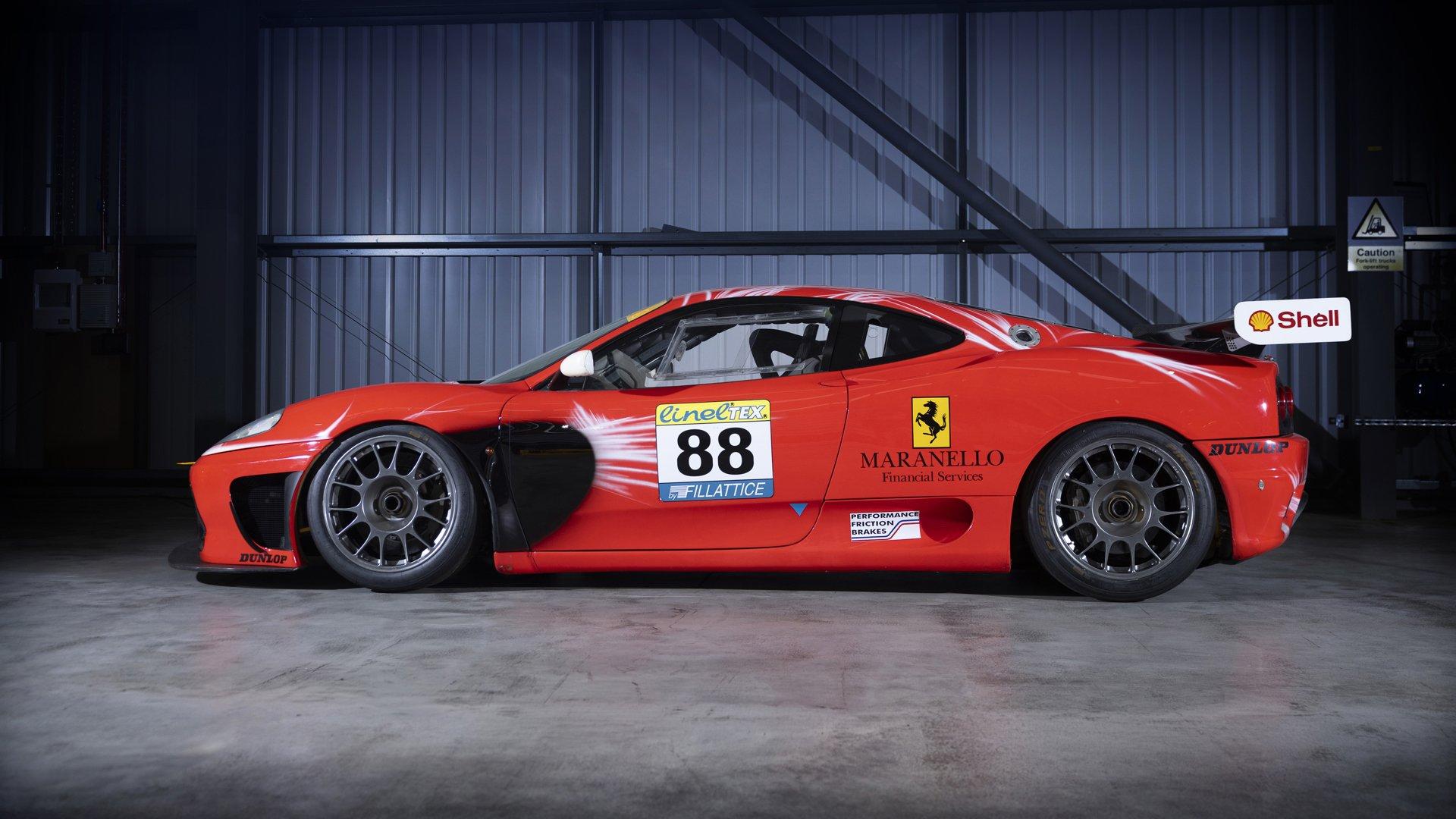
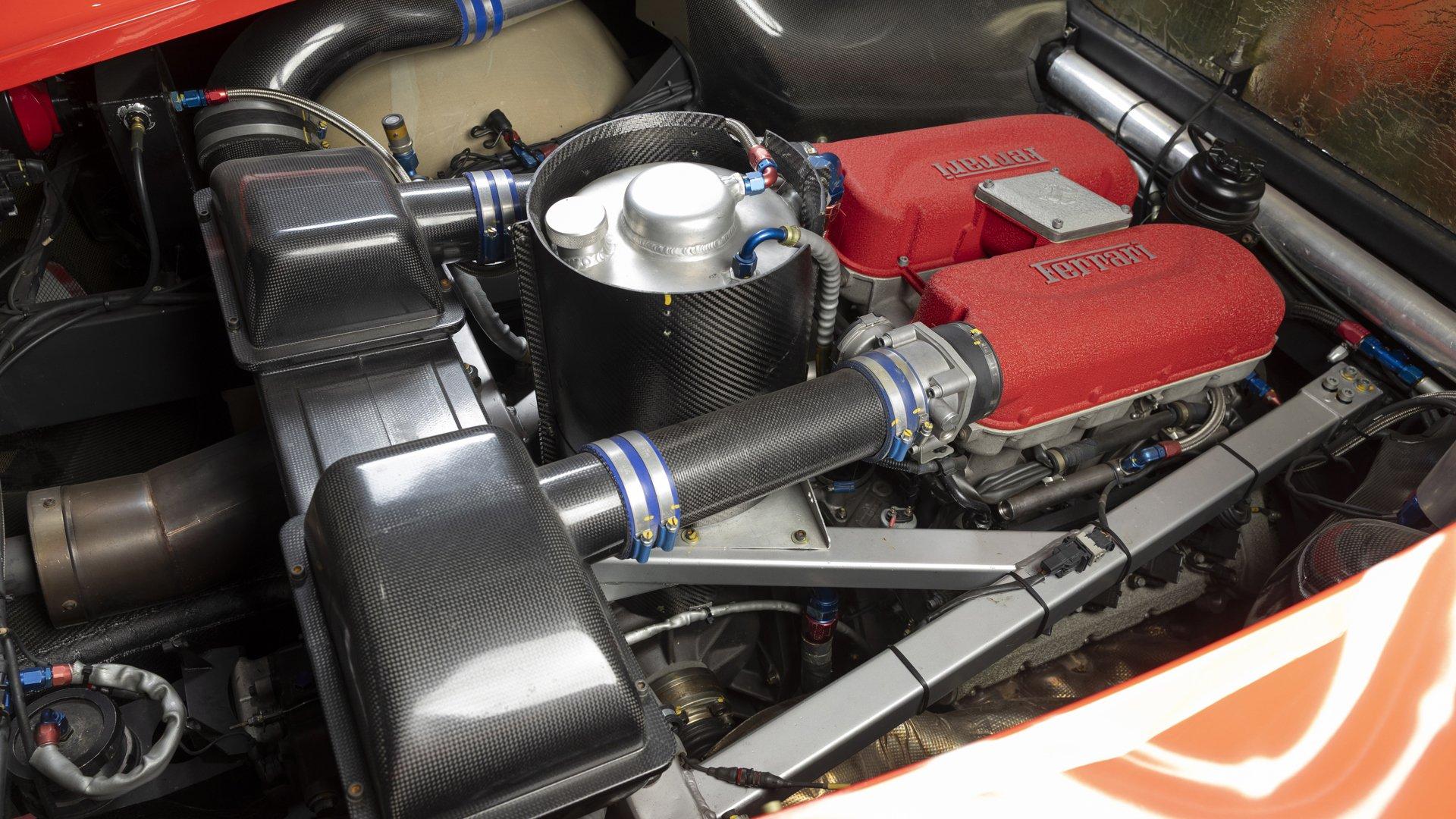
Starting life as a 360 Challenge, Michelotto’s 360 N-GT was born of a desire to return Ferrari to the FIA GT Championship. Using the 360 Challenge as its basis, the N-GT received a number of modifications to make it more competitive in the competitive FIA GT field. The engine, initially producing 430 bhp in 360 Challenge specification, was modified with revised engine electronics, more aggressive exhaust, and mated to a sequential gearbox fitted with lightened and closer ratios to manage the additional power. Power was increased by 15 bhp, even with the required 30.8 mm air restrictors in place.

With the restrictors removed, the 360 N-GT could produce 540 bhp, a world’s away from the 400 bhp of the ‘standard’ 360 Modena! In addition to this, thanks to gaining polycarbonate windows, a lighter windshield, carbon fibre body panels, and despite having a large rear wing and front splitter fitted, the 360 N-GT weighed some 90 kg less than the 360 Challenge, tipping the scales at approximately 1,100 kg.

In 360 Challenge guise, this car, chassis number 118533 was shipped new to the U.K. and used only once in the Ferrari Challenge West, driven at the Spa Ferrari Days in April of 2000 by Robert Shaw, racing for Ferrari U.K. The following year, it was sold to Prancing Horse Racing Team based in Melbourne, Australia, with the intention of converting it to 360 N-GT specifications.

As such, chassis number 118533 was shipped to Michelotto in late 2001 to begin its conversion to 360 N-GT specifications, with work being completed in February 2002 and this car becoming the eleventh conversion of just 17 built, bearing serial number 011 M. Immediately put on a plane bound for Melbourne following completion, the car was quickly pushed into testing at Calder raceway prior to its first race meeting: a support race for the 2002 Australian Grand Prix. Its second and final race down under would be the Clipsal 500 Nations Cup Meeting on March 3, 2002 at the Adelaide Parklands Circuit. Following qualifying on pole and posting a new lap record of 1:25.79, John Bowe managed to finish second place in race 1 and race 3 and took victory in race 2.

Shortly thereafter, the 360 N-GT was purchased from Prancing Horse Racing by Veloqx Motorsport and flown to its new home in the U.K., destined to compete in the burgeoning British GT Championship and European FIA GT events. It was said that this was one of three 360 N-GTs acquired and by Team Veloqx in period. During its time with Team Veloqx, this and its sister cars were effectively developed into what became the 360 GTC by virtue of the installation of the Hewland NLT six-speed sequential transaxle, and the car remains equipped as such today. Keeping in close contact with Michelotto, this change would be adopted by Michelotto and the Hewland NLT gearboxes were offered as standard on the 360 N-GTs replacement, the 360 GT.

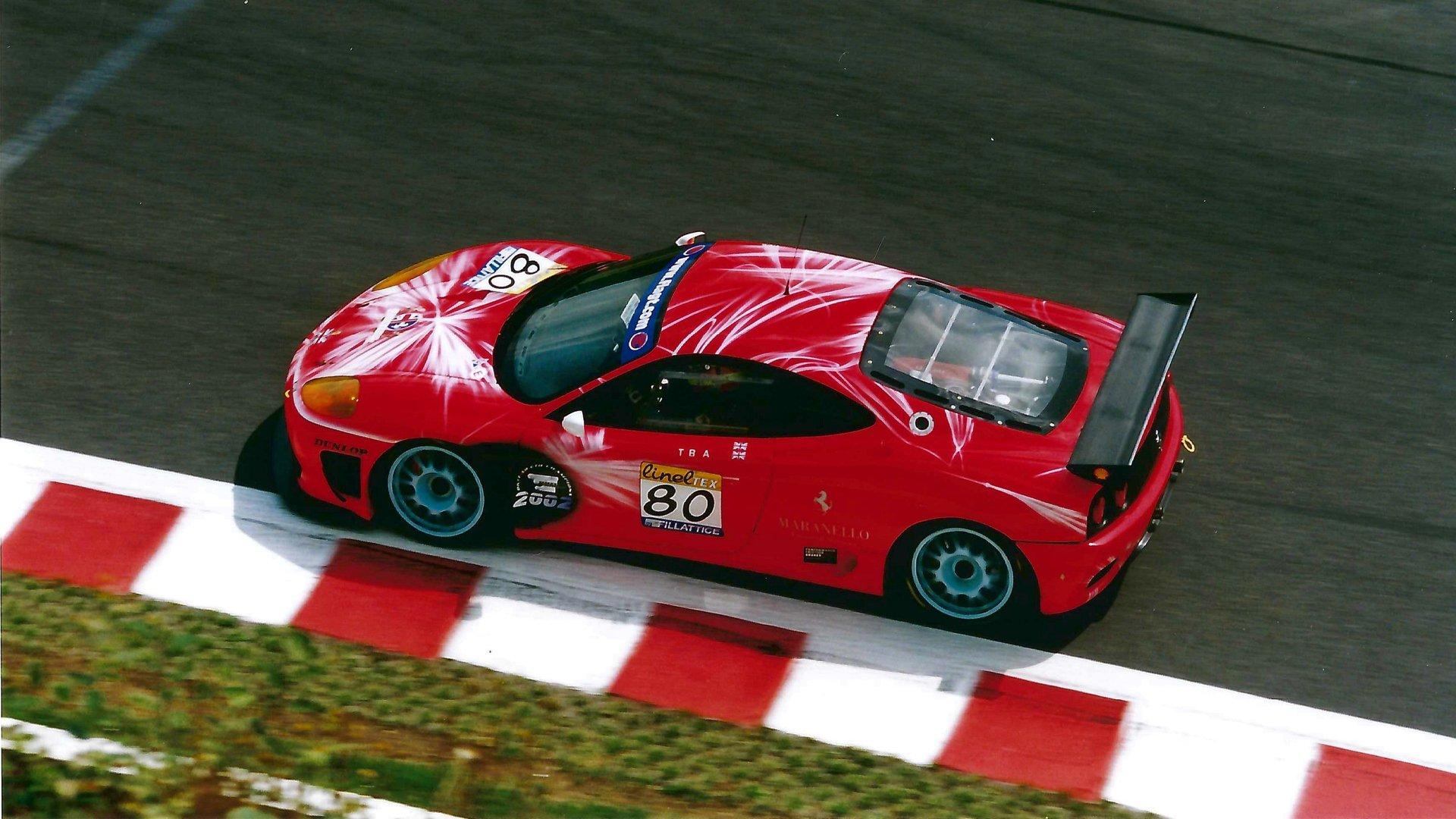
Flown from Australia to the UK, 011 M in time to compete in the first round of the British GT championship at Brand’s Hatch in the spring of 2002, the driver pairing of Calum Lockie and Jamie Davies finished third in class and fourth overall, with the following round at Donington producing an identical class result and seventh overall. One notable, non-competitive appearance for the car would come at the Ferrari Festival in Brands Hatch in August, where the car appeared on track alongside its sister cars from Veloqx for some demonstration laps with none other than the then Ferrari F1 Technical Director, Ross Brawn. 011 M would appear once more in British GT that season with Lockie and Davies behind the wheel at Oulton Park, the ninth round of the championship, but there the car unfortunately failed to finish. Its final event for 2002 would be the ninth round of the FIA GT Championship at Donington Park, this time being driven by Tim Sugden and Andrew Kirkaldy, again resulting in another DNF.

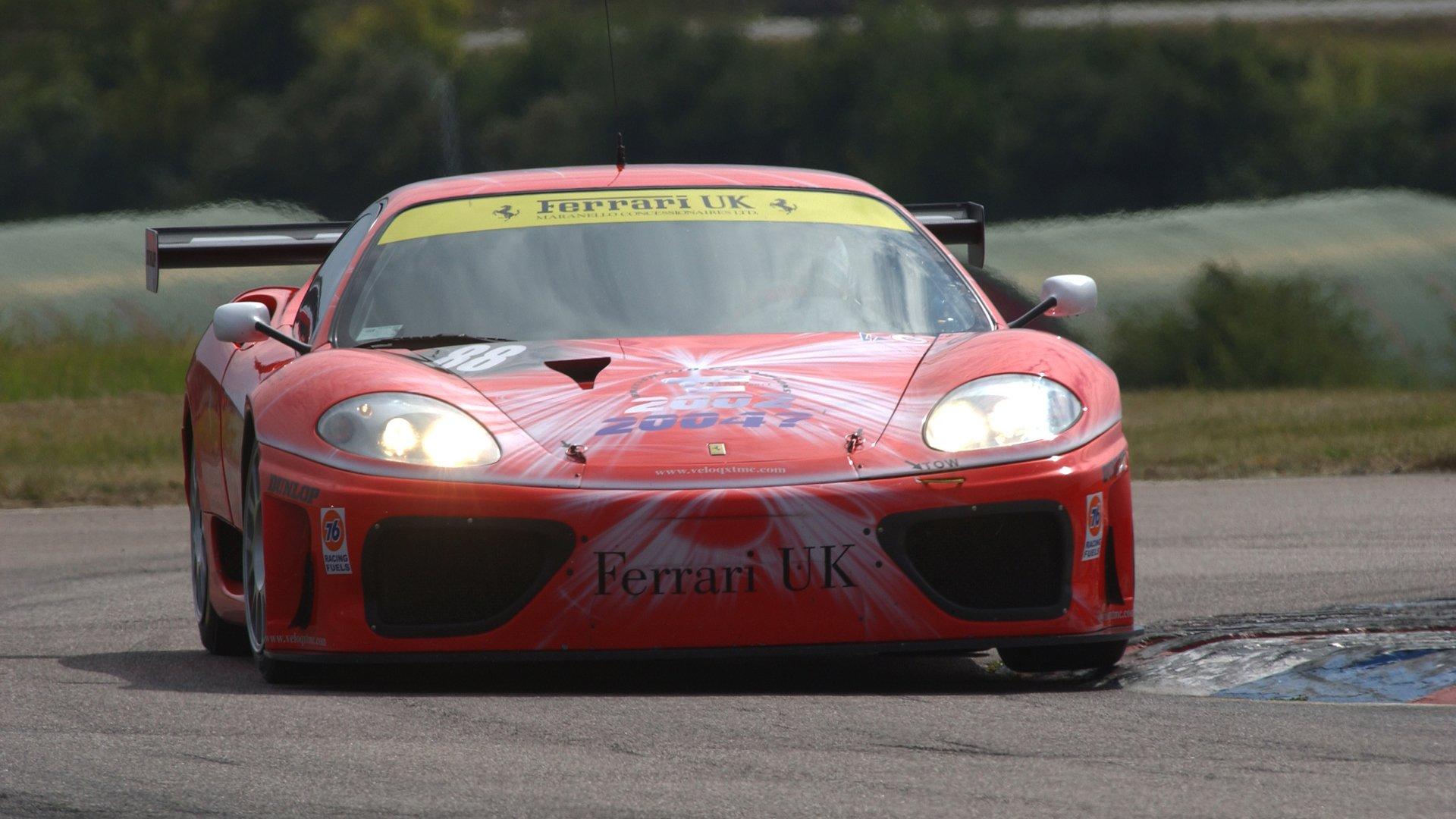
For 2003, the 360 N-GT would remain with Veloqx Motorsport and would see testing at Jerez, Vallelunga, Misano, Monza, Barcelona, Snetterton, and Spa Francorchamps. Its second foray into the FIA GT championship would come at Donington Park in June, finishing 15th overall and 6th in class, driven by Andrew Kirkaldy and Guy Smith. The car would return to British GT for the eight round of the championship at Thruxton that same August. Andrew Kirkaldy would again take the wheel, this time with Tim Mullen driving alongside. There, the car placed 2nd overall, finishing just two seconds behind the Mosler MT900R of Balfe Motorsport.

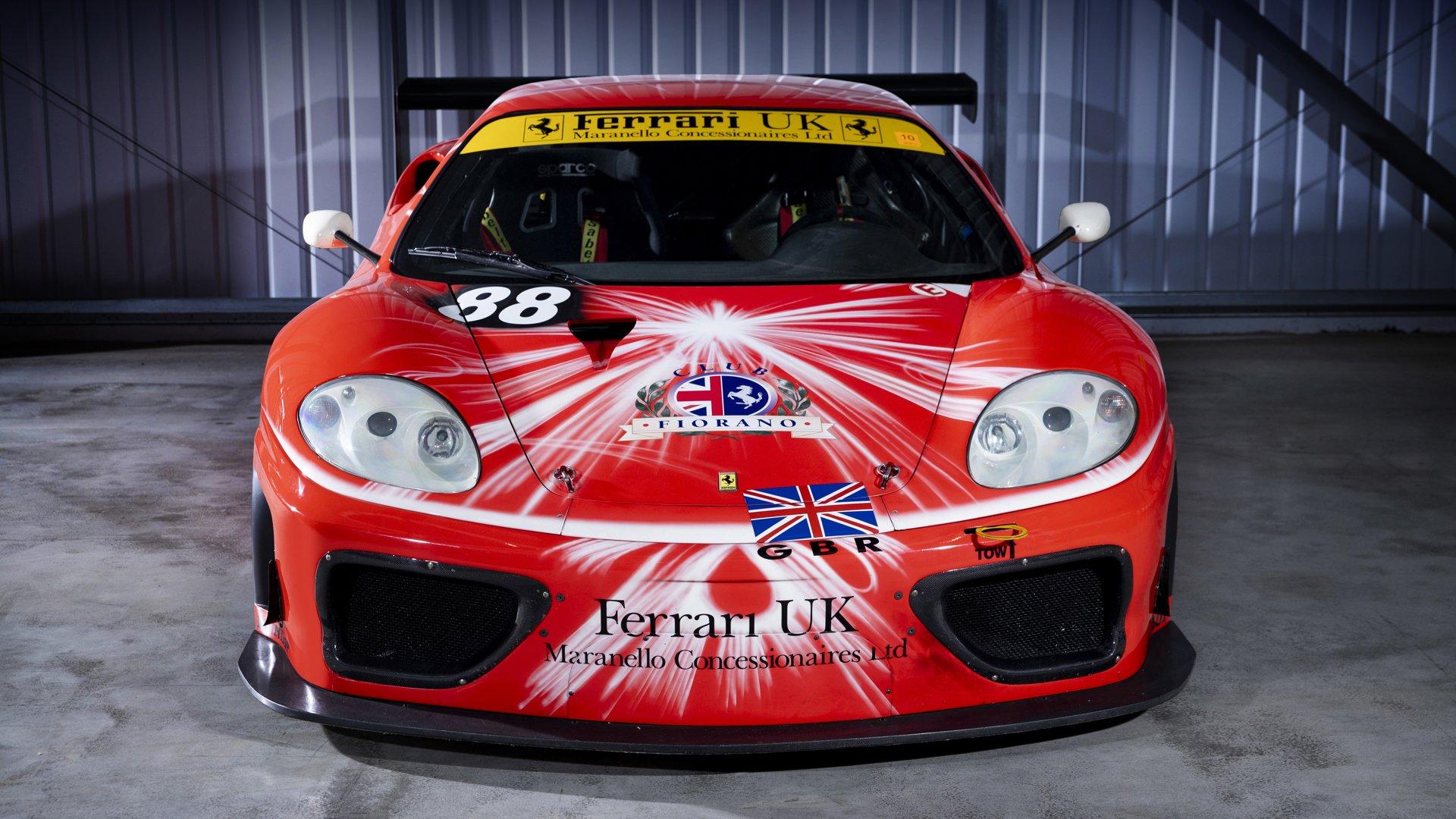
Following the end of the car’s racing career, it would return to Melbourne, having been purchased by a local private collector. With him, the car would only be used in a handful of demonstration and exhibition events as well as the occasional private track day. Self-regarded as a perfectionist, he also commissioned a complete repaint to an extremely high standard that replicated the precise details including the complex airbrushing to the livery. Approximately ten years ago, the 360 N-GT was acquired by the current owner who repatriated the car to the U.K., where it remains today, again having only been used sparingly in non-competitive track days.

Now twenty-five years following this particular car’s conversion by Michelotto, the 360 N-GT as a model remains highly eligible for a number of historic racing events and series around the world. Most notably, the car is eligible or Ferrari’s highly desirable Club Competizioni GT events, organized by Corse Clienti and run at tracks around the world alongside some of the marque’s most desirable racing cars. In addition to this, the car remains eligible for Peter Auto’s Endurance Racing Legends series (which includes Le Mans Classic), Masters Endurance Legends, and the Historic Sportscar Racing Mission GT Challenge in the U.S.
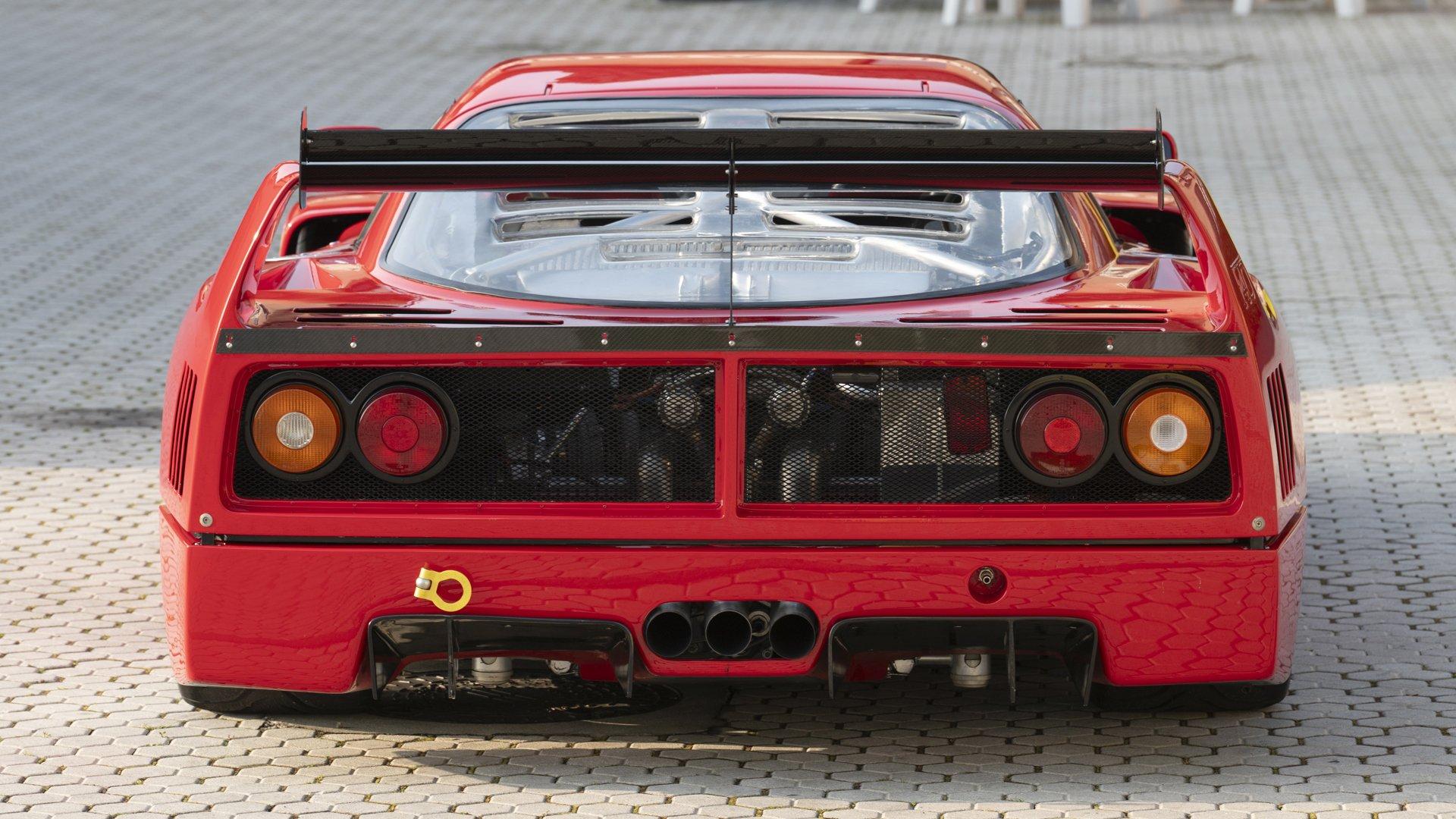
Presented today in its 2003 Veloqx livery, the 360 N-GT remains in good running order with strong leak down and compression test figures, both of which were recently undertaken during a technical inspection by Pursuit Racing. These remain on file alongside a quotation for the car to be made race ready akin to current regulations. The 360 N-GT marks a fascinating point in Ferrari’s GT racing history as it was at this time that Ferrari returned to the GT grid after a long absence and instantly took the fight to their archrivals Porsche. This is a car that can easily be driven on track, looks stunning and is accompanied by one of the finest soundtracks of the era.

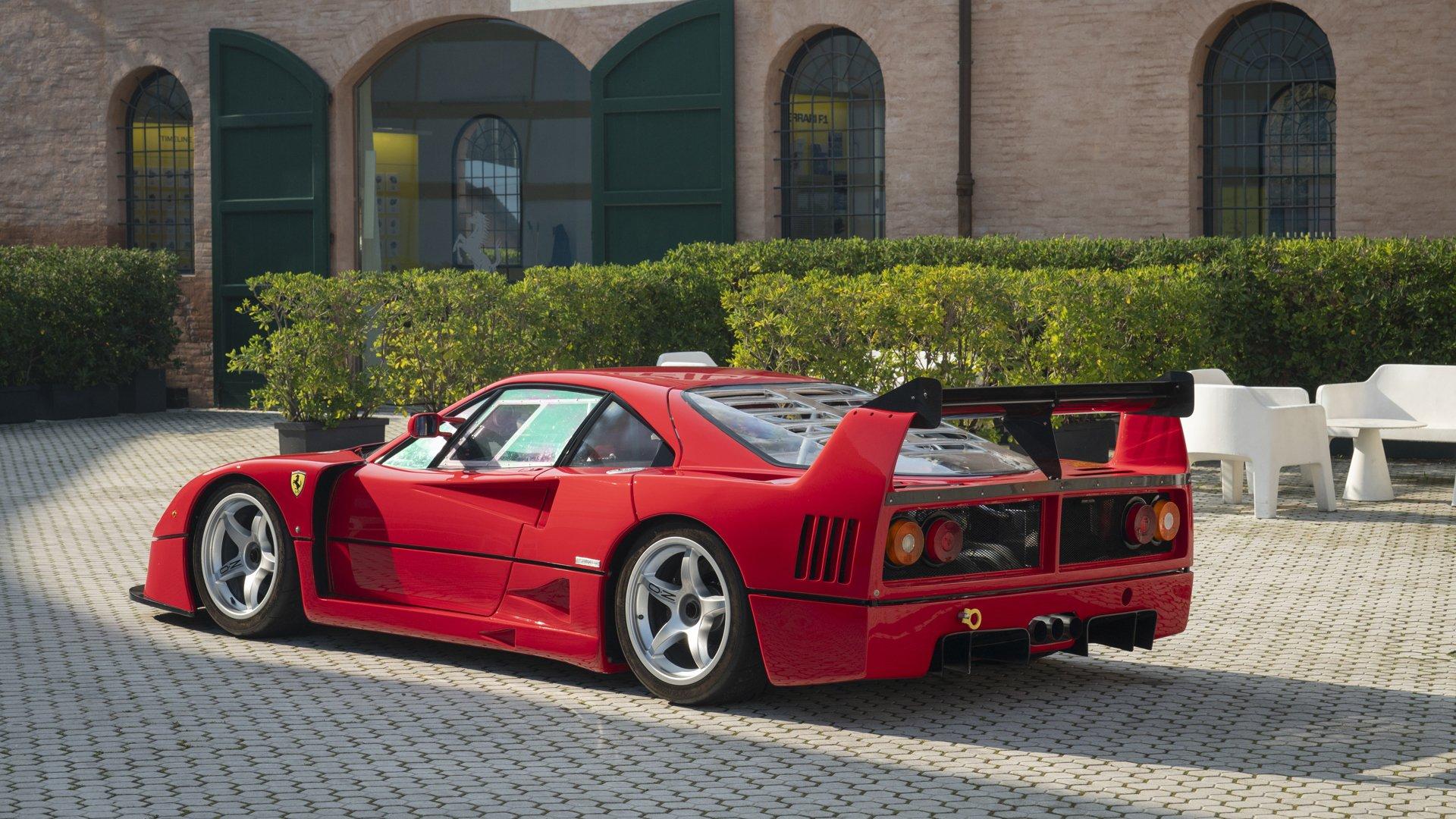
For sale by RM Sotheby’s – 1990 F40 Competition Conversion by Hamann Motorsport


For sale is a fantastic 1990 F40 Competition Conversion by Hamann Motorsport at the RM Sotheby’s MONACO Sale 2026

Estimarte is 2.250.000,– to 2.750.000,– EUR

Chassis No. ZFFGJ34B000084326
 
  • One of few Ferrari F40s with genuine period international competition pedigree
  • Sold new to Germany as a road-going F40; later converted to race specification by noted German-tuning company Hamann Motorsport with input from Peter Sauber
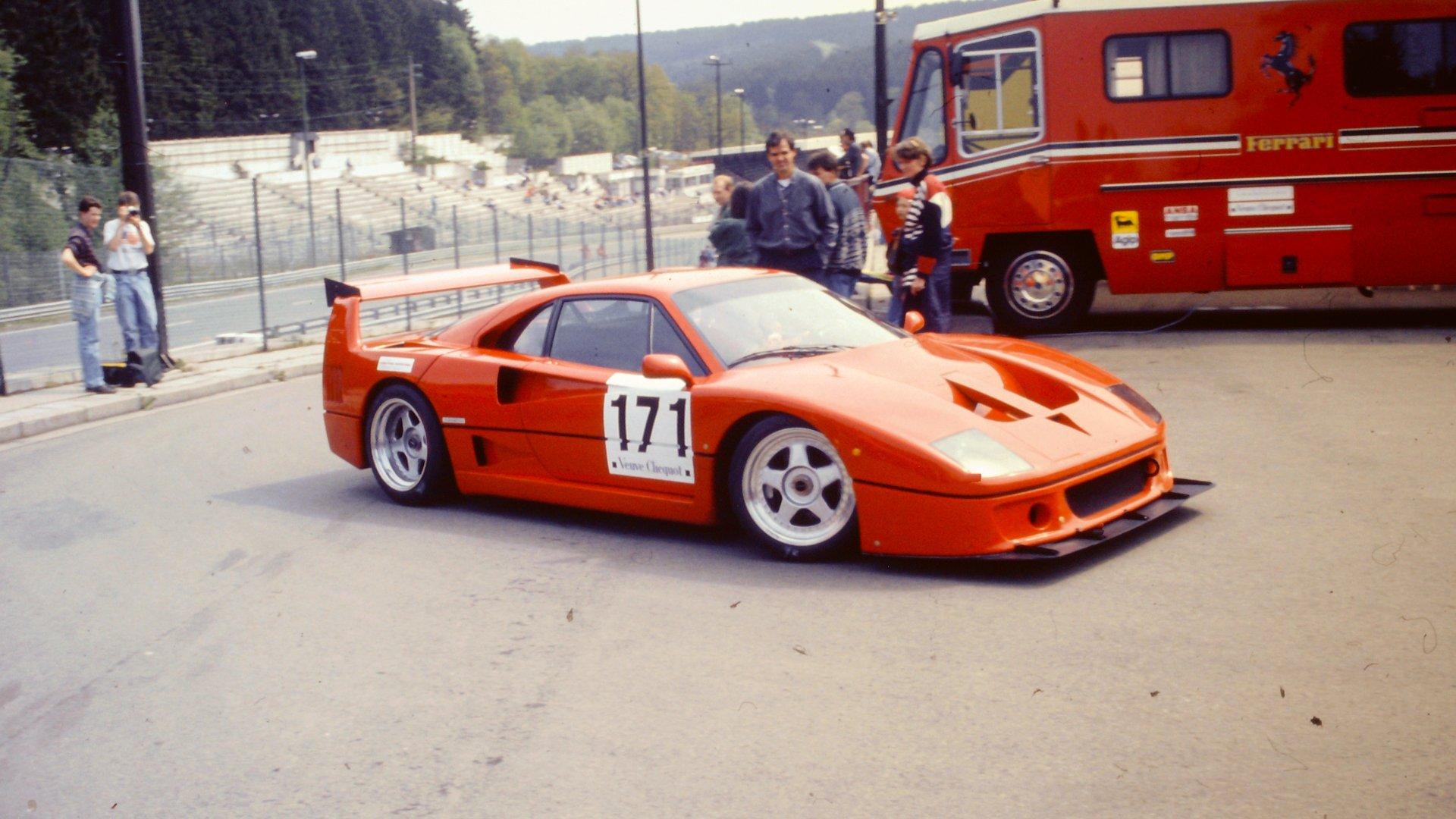
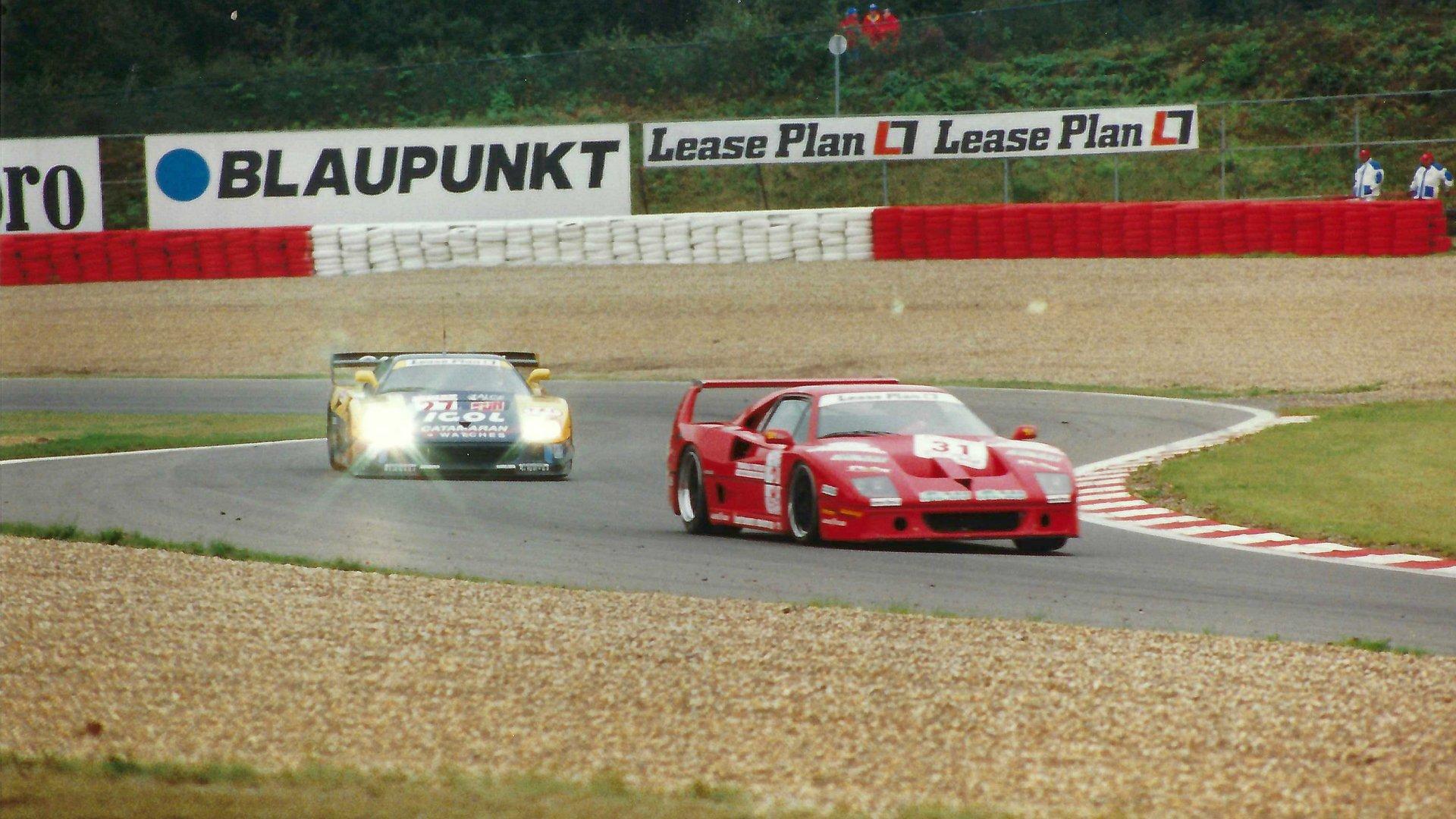
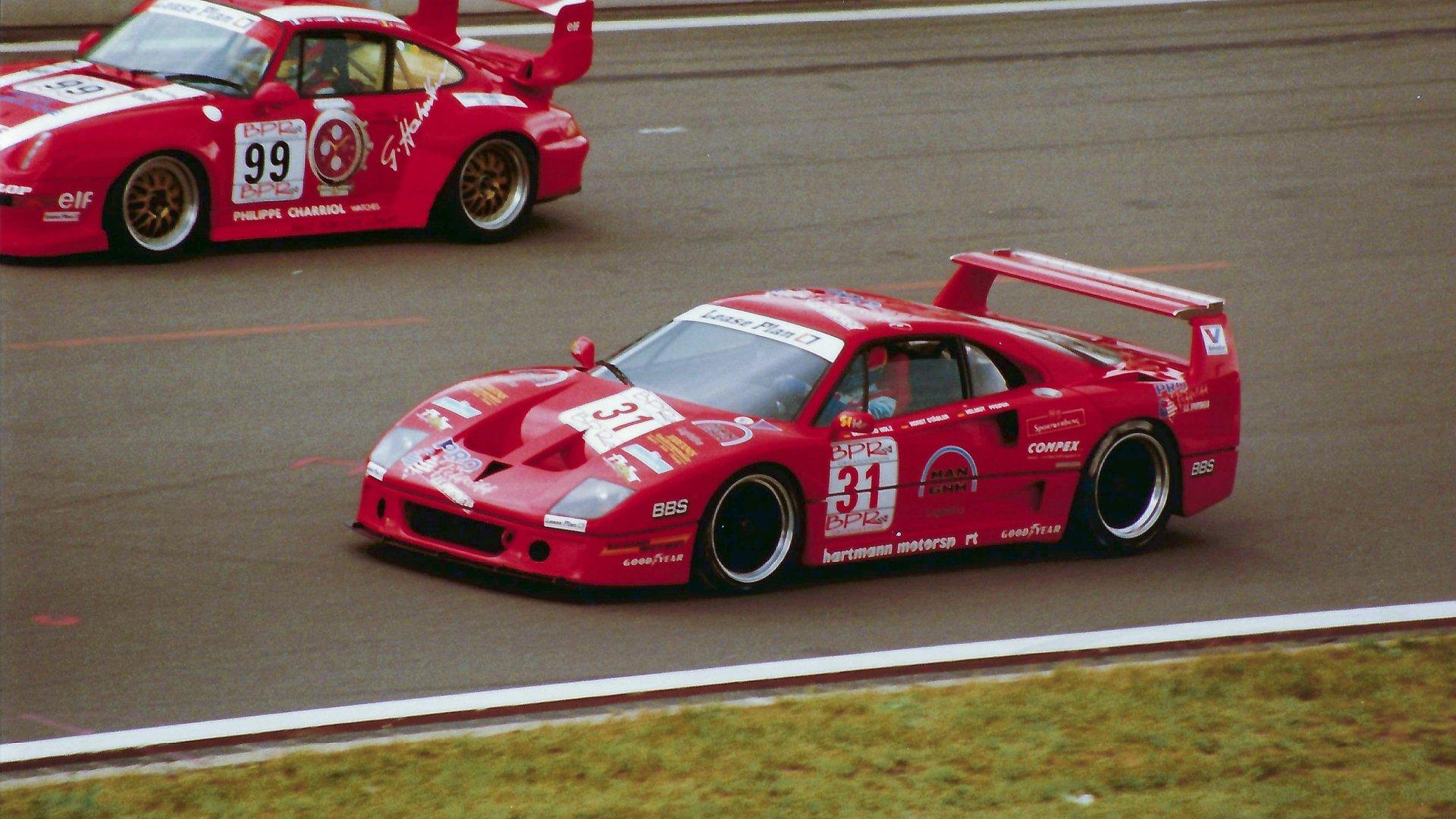
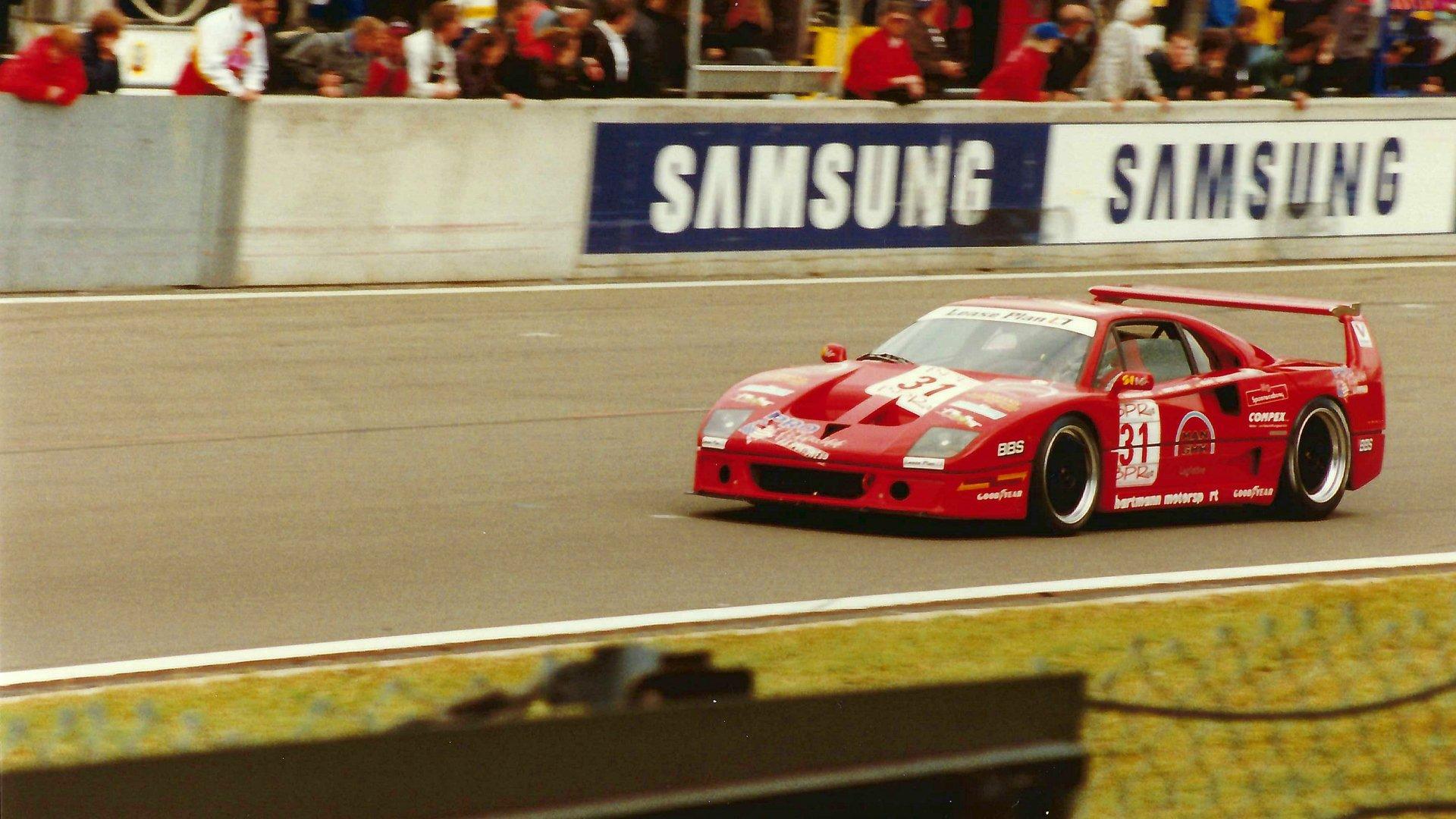
  • Raced in the 1996 BPR Global GT Series, most notably in the 4 Hours of Spa and 4 Hours of Nürburgring
  • Subject of a three-year, comprehensive restoration completed in 2015 by Moto Technique Ltd of Surrey, United Kingdom
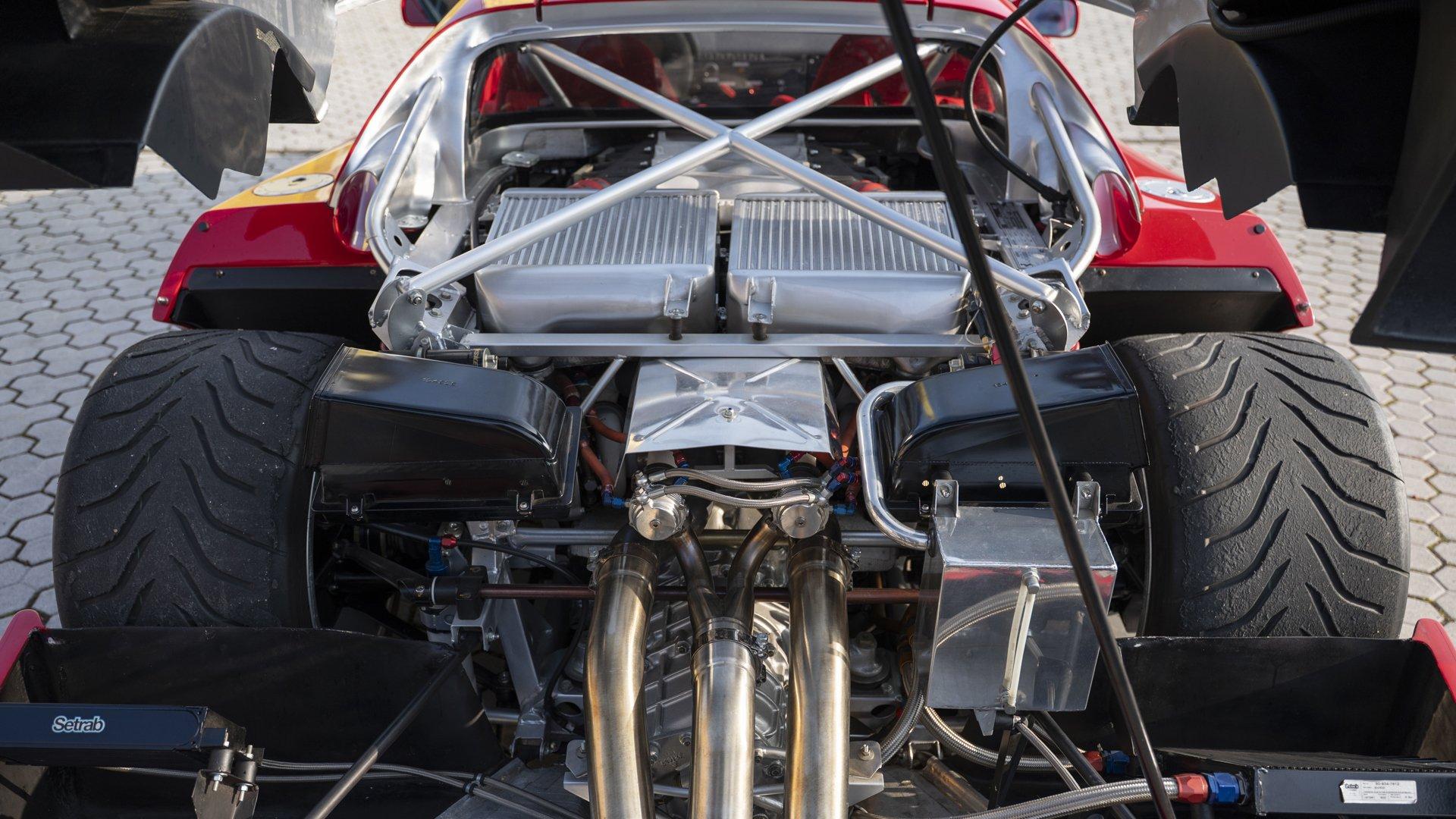
  • Powered by a fully rebuilt, twin turbocharged V-8 engine producing up to 720 horsepower via a three-stage MoTeC engine management system
  • Extensively documented in multiple media publications and accompanied by over 100 pages of restoration imagery
All details and more pictures HERE art RM Sotheby’S
 

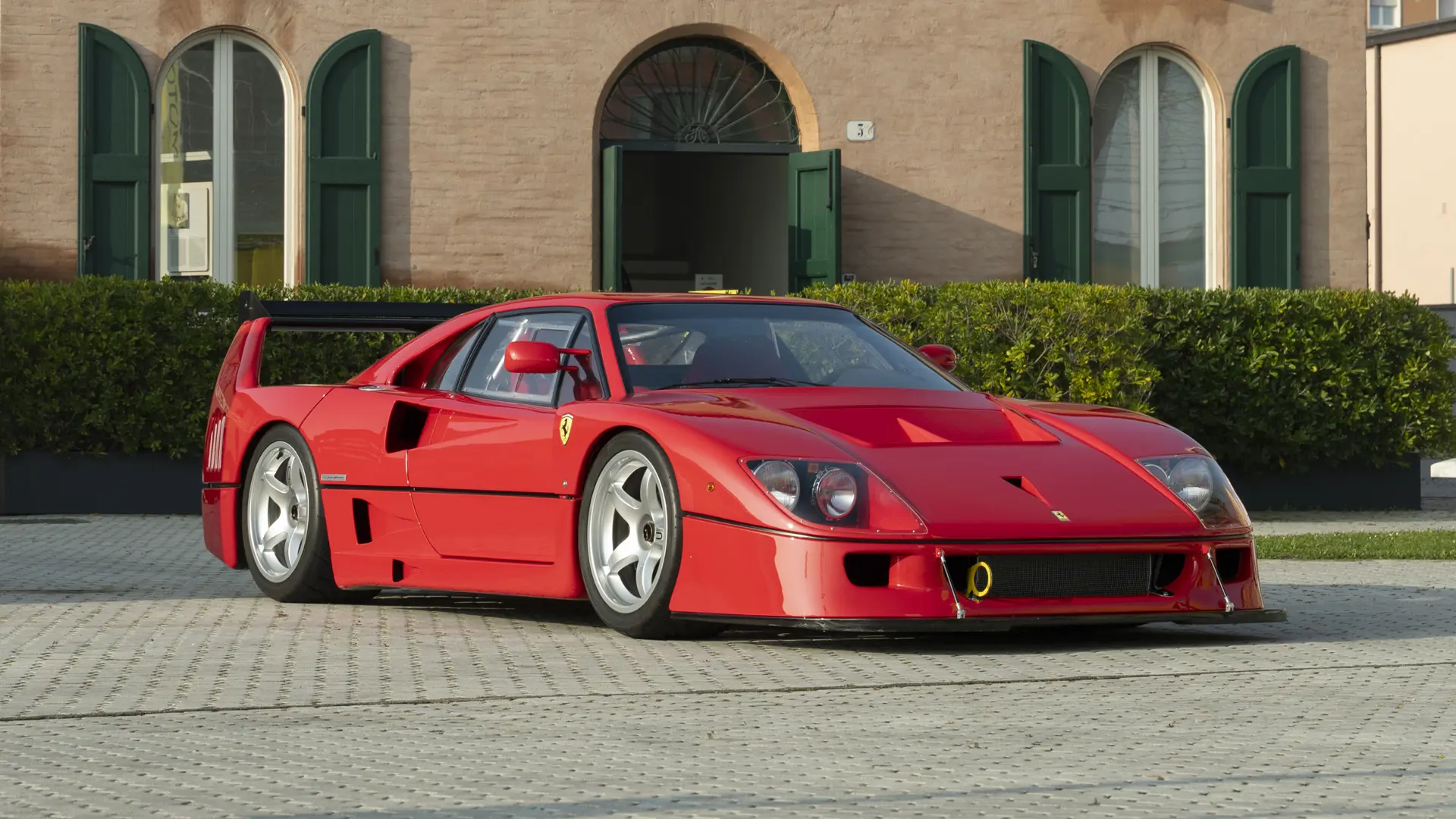
Few cars capture the raw spirit of 1990s GT racing quite like the legendary competizione versions of the Ferrari F40, notably the F40 LM, GT, and GTE variants. Conceived to bring Ferrari’s most extreme road car into competitive billing on the international stage, the race-tuned F40s represented the ultimate evolution of the already ferocious supercar. Developed for endurance racing during the golden age of road-based GT competition, these machines took their place on grids alongside icons such as the McLaren F1 GTR, Porsche 993 GT2, and Callaway Corvette C7R in series such as the BPR Global GT Series—the precursor to modern GT endurance championships.

The factory F40 programme was led by Ferrari’s trusted competition partner Giuliano Michelotto and his renowned engineering firm. The first 19 examples were built from brand-new chassis supplied by Ferrari and converted to full LM specification. Beyond these initial factory-developed machines, several privateer teams were eager to campaign F40s in international GT racing and converted roadgoing F40s into full track weapons. While not converted by Michelotto directly, chassis number 84326 offered here is one of these fascinating privateer-developed machines—an example that went on to enjoy a genuine international competition career and later a meticulous restoration.

According to a history report by Marcel Massini, chassis 84326 was completed on 1 March 1990 as a European-specification, road-going example with roll-up windows and was delivered new to a German enthusiast through Ferrari Deutschland GmbH in Wiesbaden. The first owner was a passionate devotee of the marque who regularly displayed the car at Ferrari gatherings and track events across Europe, including appearances at Mugello in 1992 and Spa‑Francorchamps in 1993.

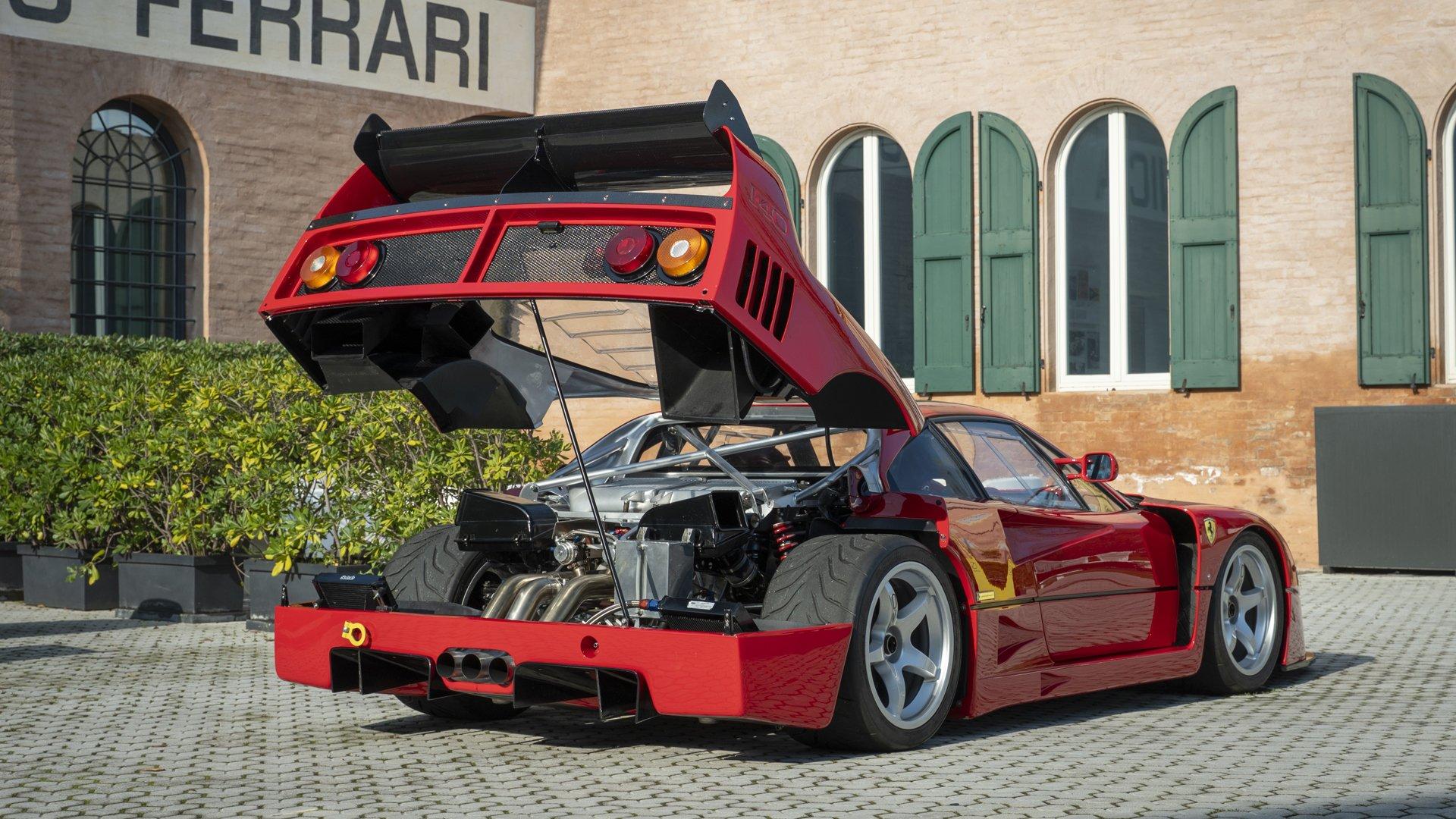
In 1994, chassis 84326 was sent to noted German tuner Richard Hamann of Hamann Motorsport in Laupheim. Having built his reputation through successful BMW tuning programs, Hamann recognised an opportunity to expand his operation into the development of Ferraris. Seeking to extract maximum performance from the F40 platform, Hamann enlisted the expertise of Swiss engineer Peter Sauber—the founder of the renowned Sauber Formula 1 team—under whose guidance the Ferrari V-8 received twin KKK turbochargers with increased boost and dual wastegates, along with a host of reinforced internals. These modifications dramatically elevated the engine’s performance, with output reportedly reaching as much as 700 horsepower.

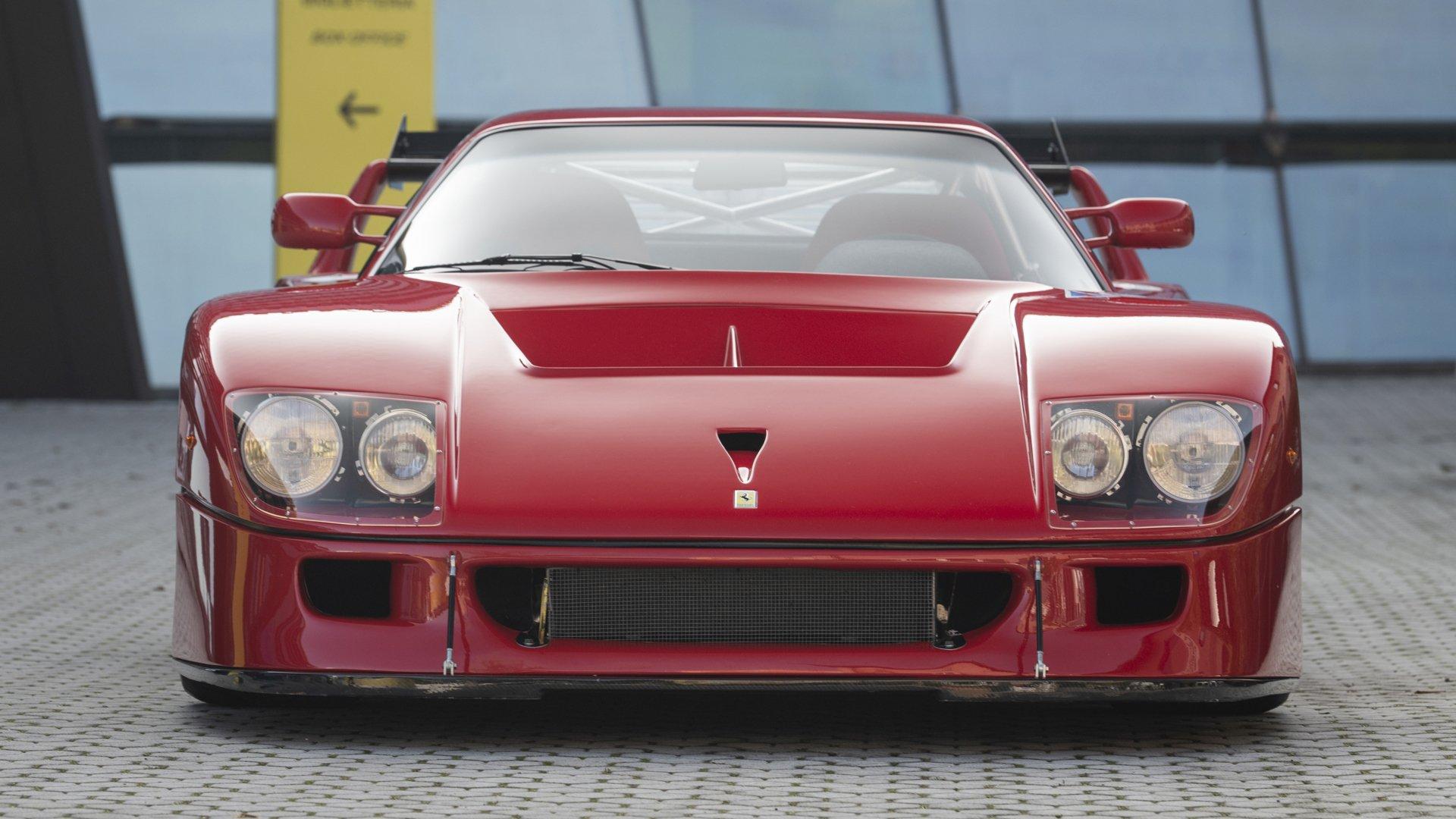
Coupled with a revised nose inspired by the F40 LM, as well as an enhanced rear wing for greater stability and upgraded brakes and suspension, the competition-modified F40 was featured on the cover of the June 1994 issue of Motor magazine, where it was praised for its sharper driving dynamics and stronger low-end power delivery. Envisioning a limited line of tuned F40s, Hamann’s conversion was far from inexpensive—reportedly costing as much as 75 per cent of a standard F40’s original sticker price, in addition to the cost of the donor car itself.

Eager to demonstrate the car’s performance potential and justify its extraordinary price tag, Hamann sought to enter the car in competition. Regulatory changes ahead of the 1996 season allowed him to partner with Jörg Hartmann Motorsport and campaign chassis 84326 in the BPR Global GT Series. However, as was often the case for independent GT teams of the era, limited funding hindered both development and reliability. During the 1996 BPR season, the car retired at the Nürburgring and later recorded a 26th-place finish at Spa-Francorchamps.

Chassis 84326 then passed through a succession of German enthusiasts before moving to the United Kingdom in the early 2000s. Over time the car fell into neglect and was eventually stored in a barn in the north of England, where it remained largely forgotten until 2012. That year it came to the attention of a passionate Ferrari enthusiast, who had been fortunate enough to secure an F40 when new and had long carried the regret of parting with it.

The car was sent to the respected Ferrari specialists at Moto Technique Ltd of Surrey, led by experienced hand in all-things-Ferrari Kevin O’Rourke, where it became clear that years of hard racing had taken a severe toll. The suspension components were worn beyond repair, the braking system required complete replacement, and the fuel tanks were in extremely poor condition. Evidence of an electrical fire was even discovered beneath one of the tanks.

At this stage the project evolved from a simple refurbishment into a comprehensive restoration carried out with an uncompromising philosophy. The car would be returned to as-new condition, while subtly benefiting from modern engineering knowledge. Michelotto Automobili supplied newly fabricated suspension assemblies, braking components, and numerous specialised parts crafted from Avional aluminium, magnesium, and titanium.

The bodywork also required significant attention, as certain areas had previously been repaired in fibreglass rather than the original carbon-Kevlar composite. To restore proper weight and structural integrity, the front clamshell was completely remanufactured in the correct carbon-Kevlar construction, while other panels underwent extensive refinishing to reveal the subtle carbon weave beneath the paint—replicating the appearance seen on factory-fresh examples.

The engine rebuild was entrusted to renowned engineering firm Crosthwaite & Gardiner, who carefully inspected every internal component and renewed where necessary, resulting in a fully rebuilt power unit capable of delivering its formidable performance with confidence. To enhance reliability and drivability, a multi-stage engine management system from MoTeC was integrated, providing three selectable power modes of approximately 550, 650, or 720 horsepower respectively, allowing the driver to tailor performance while preserving mechanical longevity.

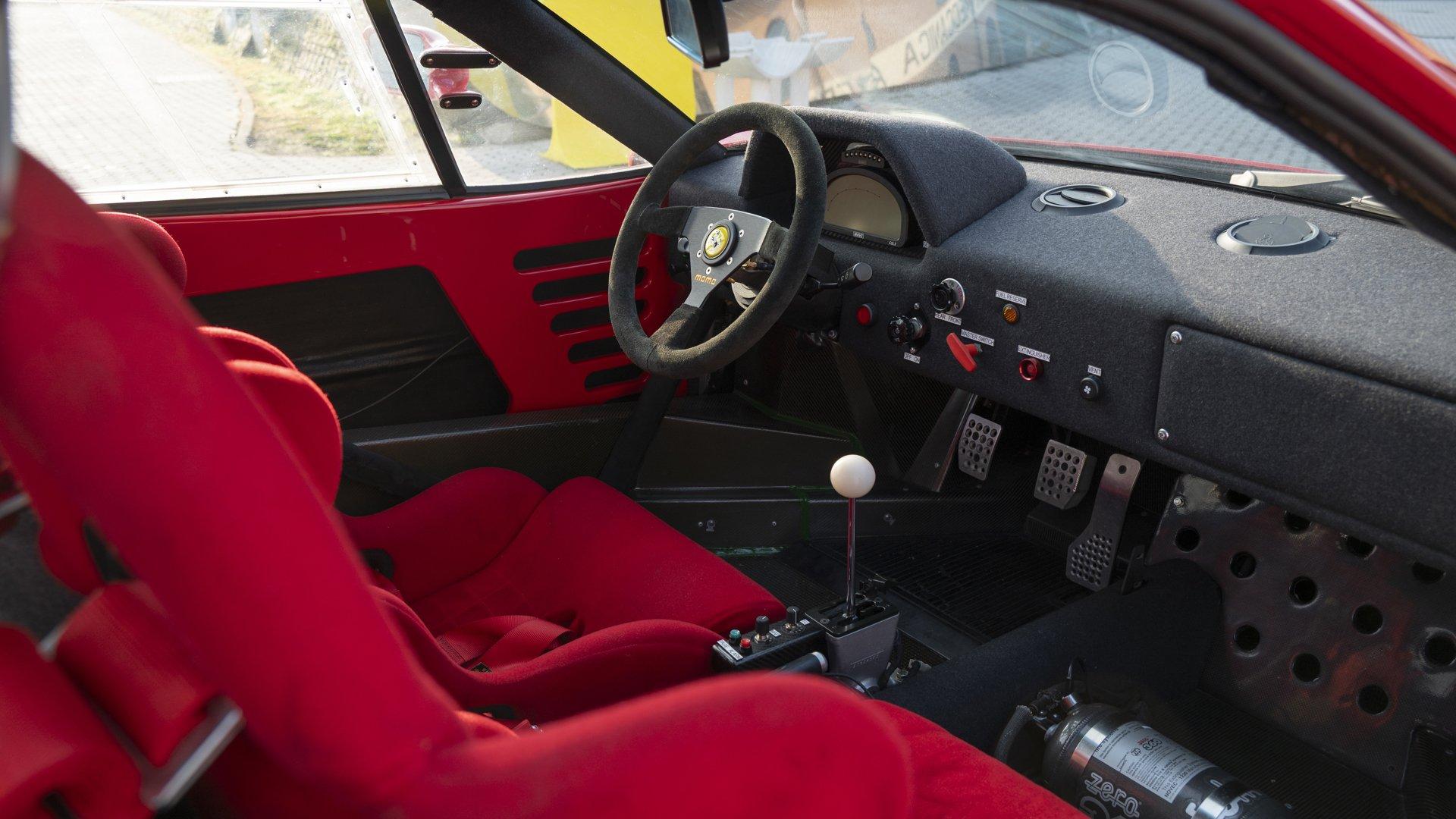
Every component—from suspension to fuel system to gearbox—was repeatedly assembled and removed to achieve ideal alignment and finish. The result is a car restored with extraordinary attention to detail, blending historical authenticity with carefully considered improvements. Following the completion of its restoration, the car achieved notable recognition as the cover feature of evo magazine, issue number 217. In the accompanying article, written by Richard Meaden and titled “No Retreat, No Surrender”, the publication presents a comprehensive exploration of the car’s provenance, driving dynamics, and restoration process.

With its widened bodywork, towering rear wing, and ferocious twin-turbo V-8, the F40 LM represents the ultimate expression of Ferrari’s ultimate analogue supercar. This tribute to that legendary machine, restored with exceptional care and sporting genuine competition pedigree, offers collectors an opportunity to experience one of the most visceral Ferraris of the modern era. Few cars so perfectly capture the drama, sound, and spectacle of 1990s GT competition—and fewer still have been returned to life with such dedication.

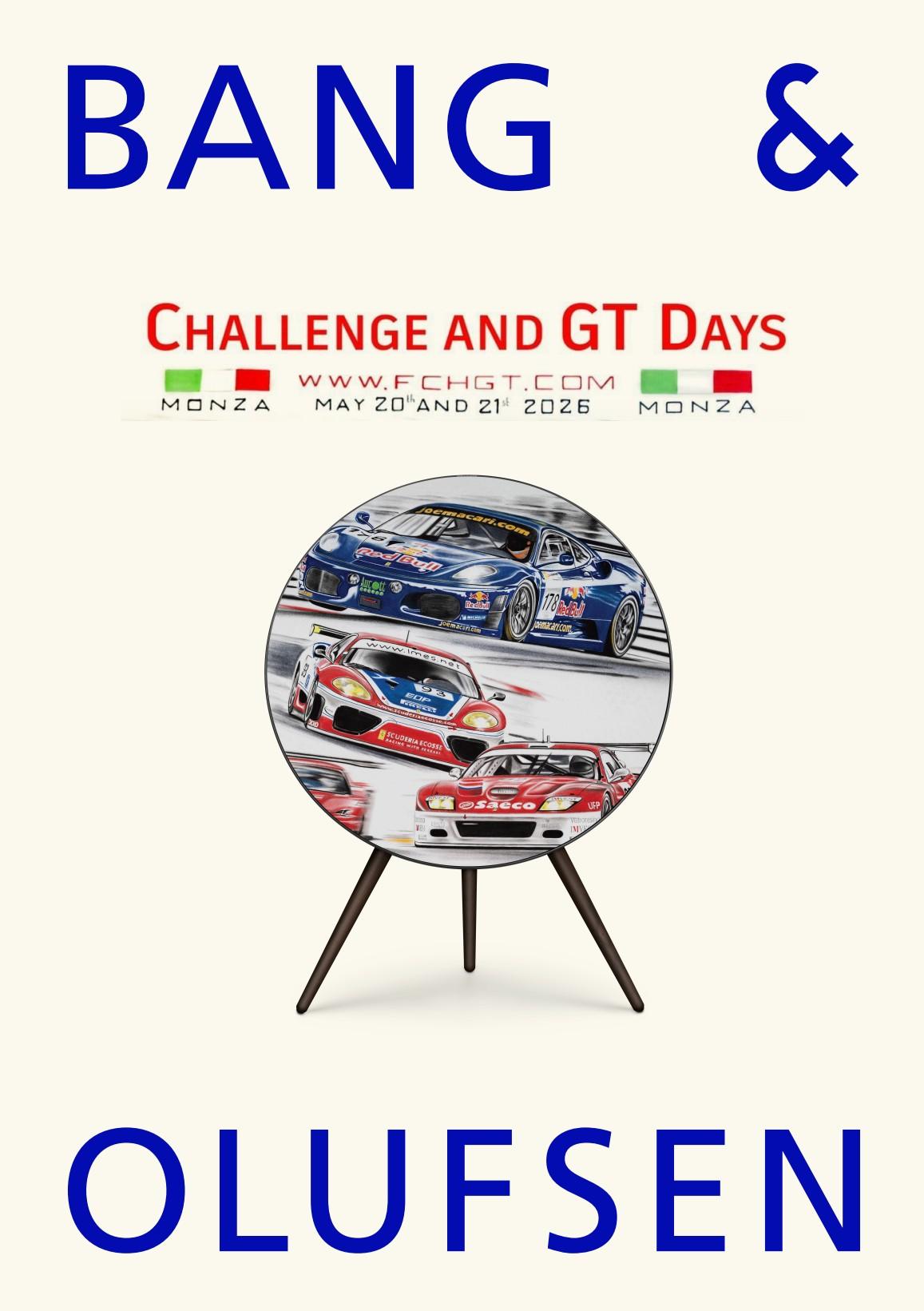
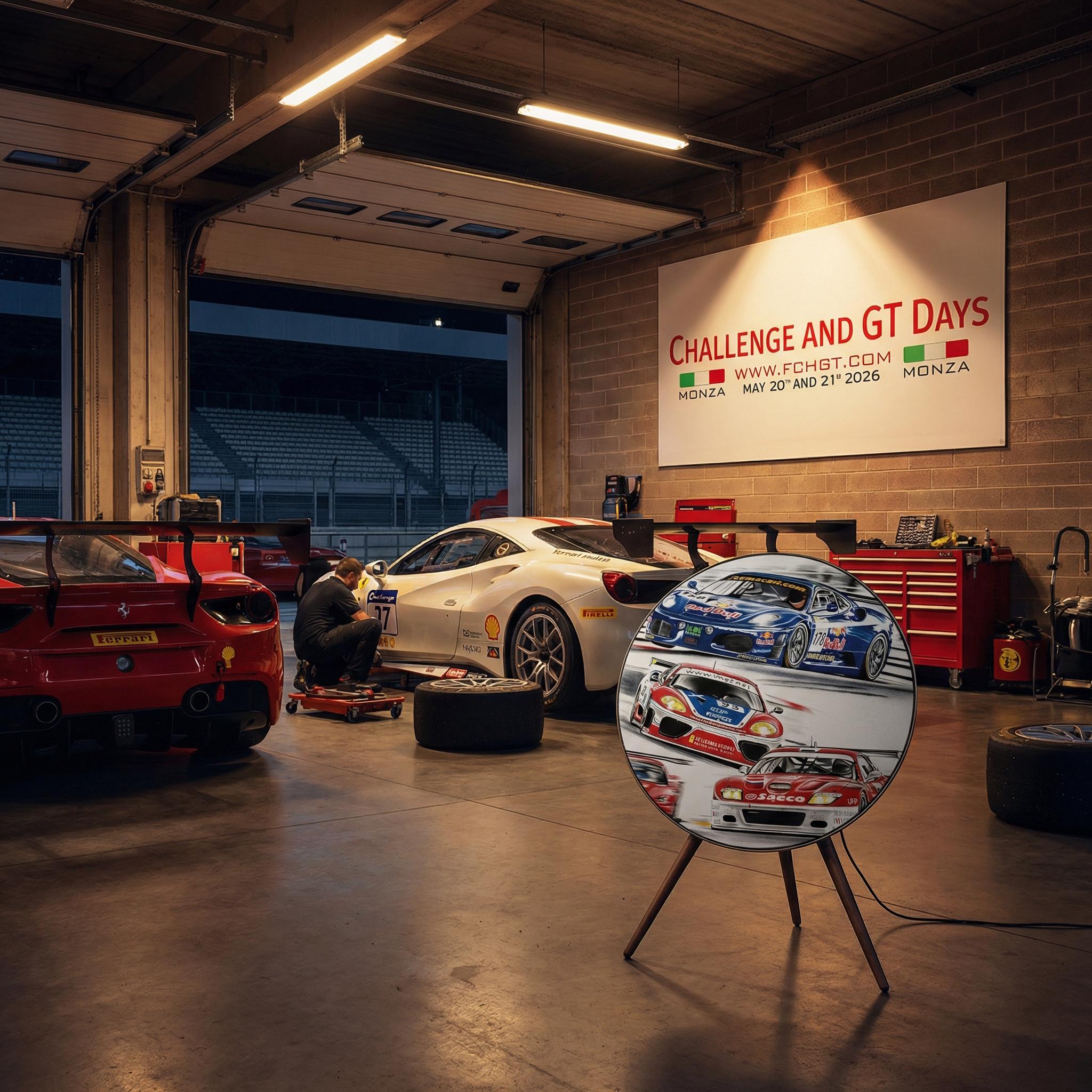
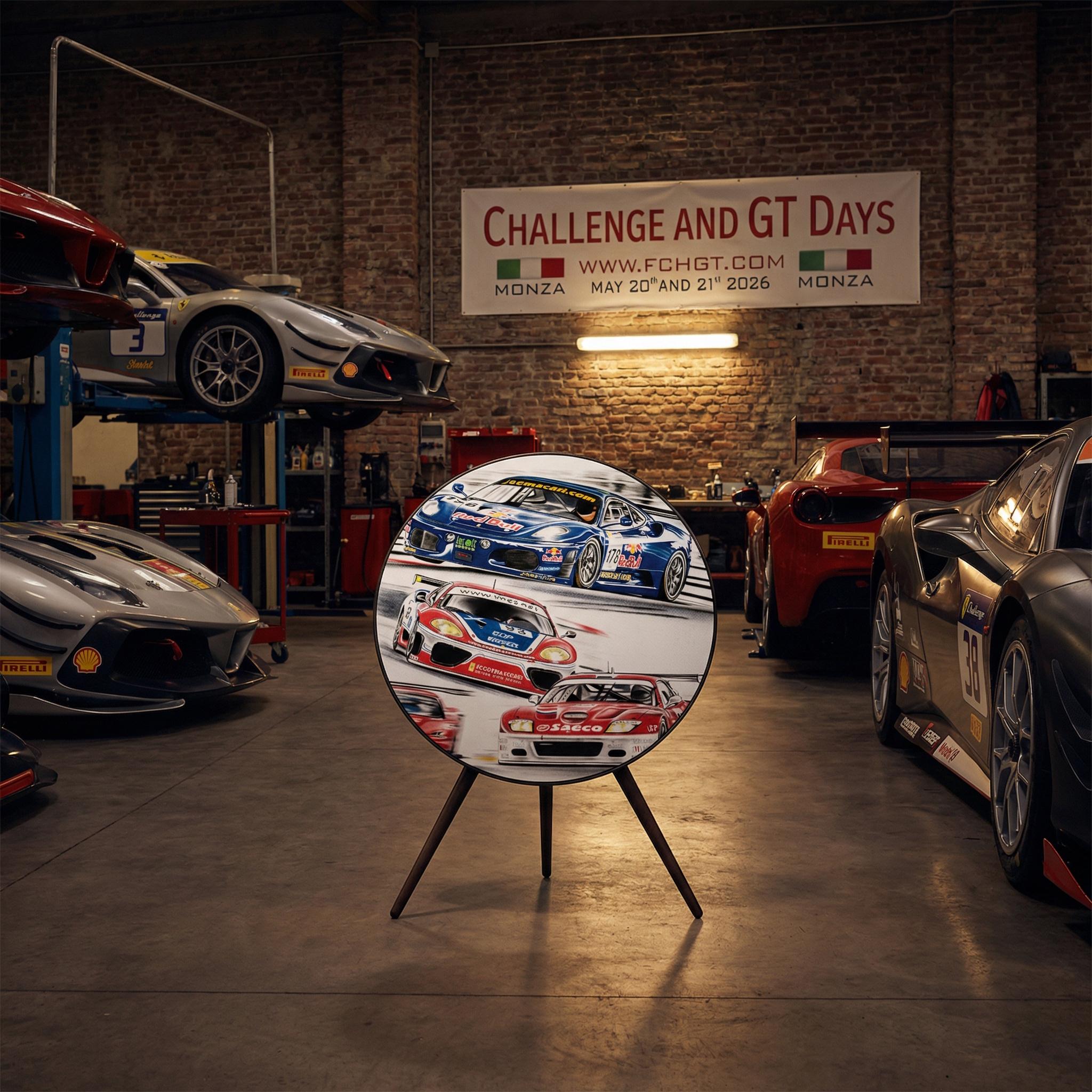
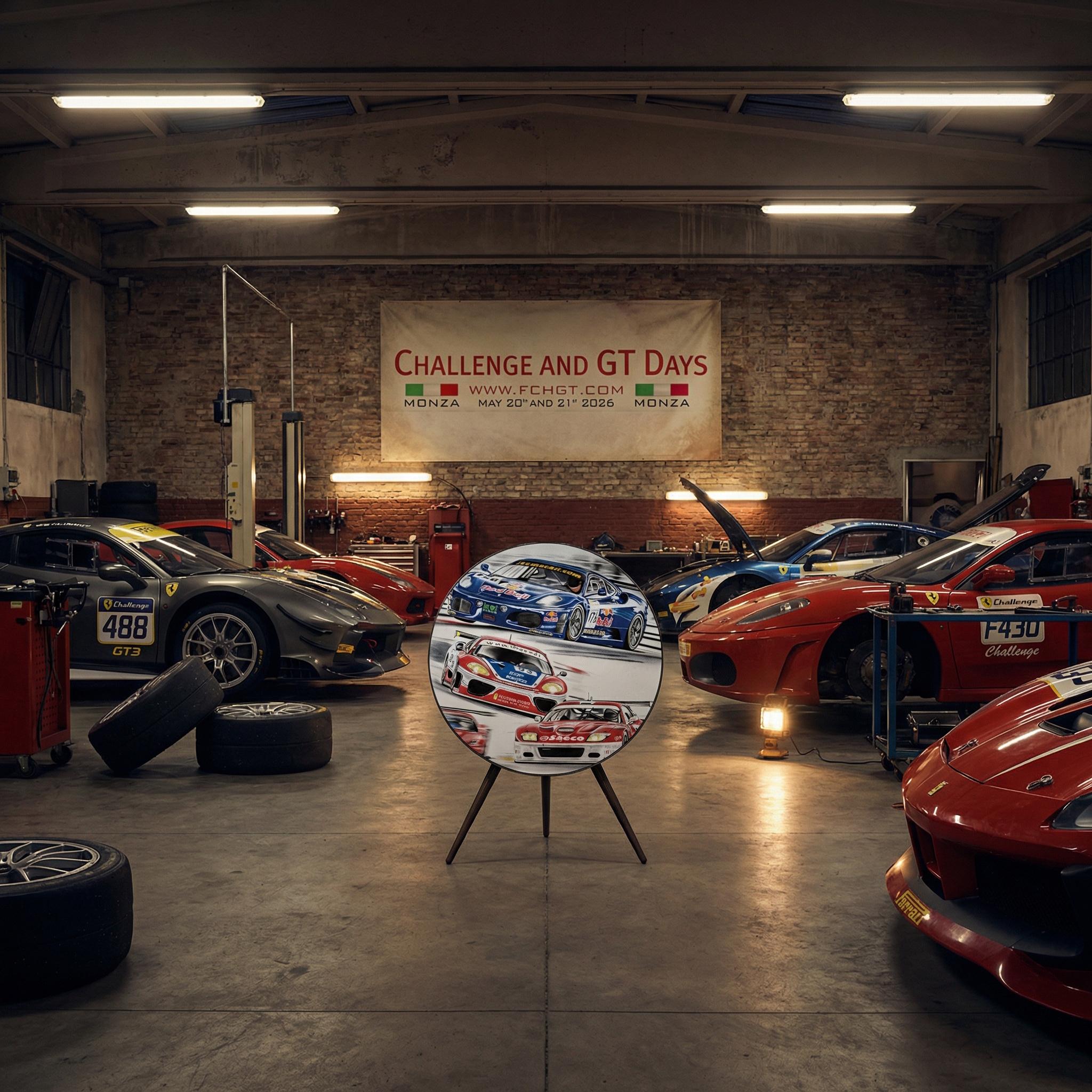
Challenge and GT Days – Bang&Olufsen ltd. edition Beosound A9 speaker

For the 2026 edition, Bang & Olufsen is offering bespoke pieces of the iconic Beosound A9 – Challenge and GT Days Monza Limited Edition, featuring a custom cover inspired by the speed, design, and racing spirit of the event.

Finished in Black Anthracite, this collector’s edition transforms the legendary Beosound A9 into a unique object celebrating the passion of GT racing and exceptional sound.

Exclusivity at a glance

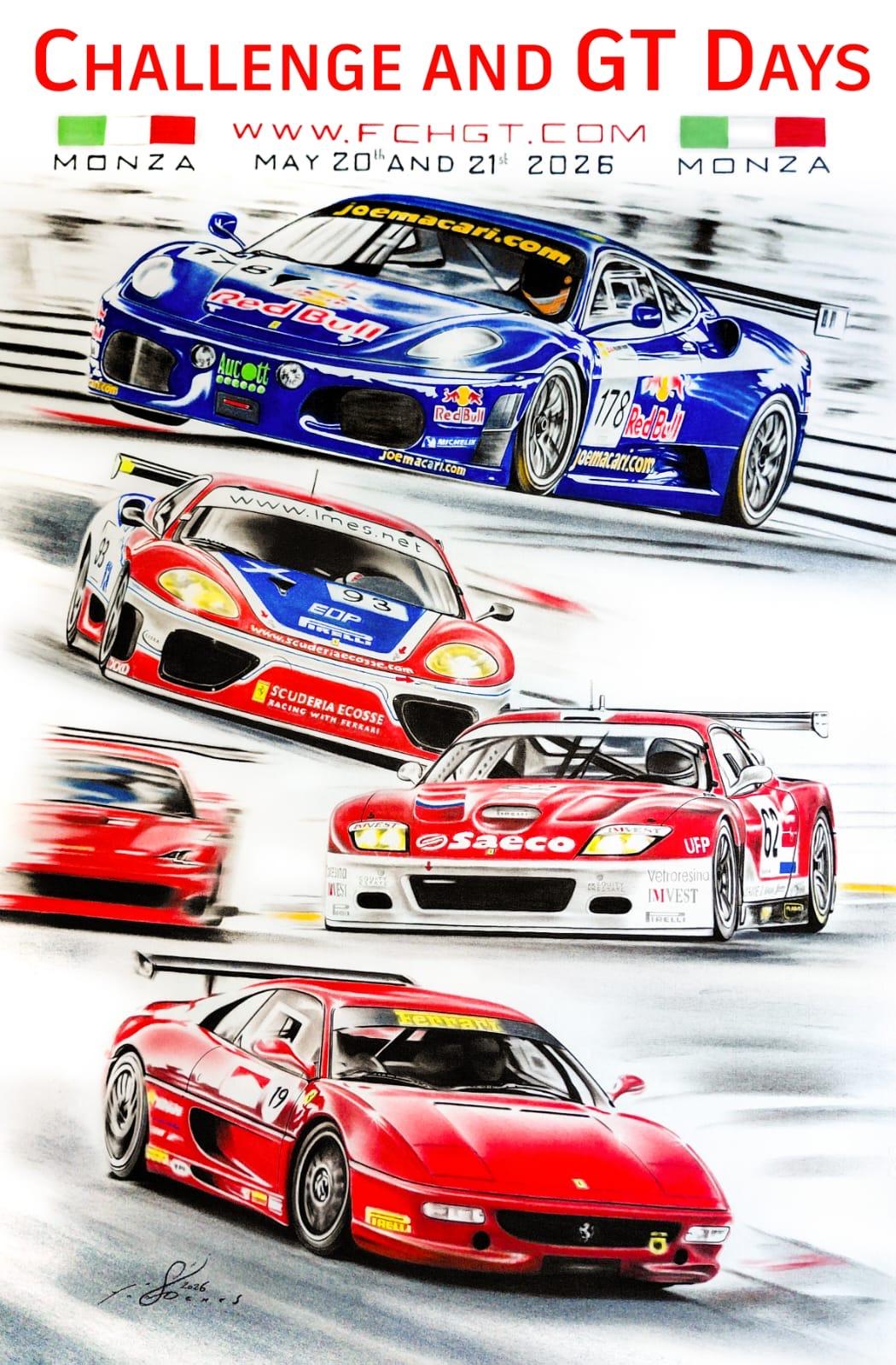
Picture is taken from the official poster for our Challenge and GT Days 2026 in Monza Painted again by our friend and artist Yan Denes

Limited edition only available worldwide from today until the 21 May 2026

  • Challenge and GT Days Monza bespoke cover
  • Beosound A9 Black Anthracite edition
  • Reserved exclusively for Challenge and GT Days Monza customers

The reservation window opens today and will close on May 21, the final day of the Challenge and GT Days Monza

The price of one unit is: 3.950 Euros including austrian VAT

For collectors and enthusiasts alike, this is a rare opportunity to secure a piece where performance, design, and sound excellence meet.

Should you wish to reserve one of these limited editions, we invite you to contact us at your earliest convenience. The ltd. edition Beosound A9 speaker is reserved exclusivity for Challenge and GT Days Guests insted of Bang & Olufsen customers.
For enquiries, please contact our VIC Relationship Manager Maria Beatrice Baraldini:

mabb@bang-olufsen.dk

Mobile +41783322522

We invite you to contact us HERE at your earliest convenience.

For sale by RM Sotheby’s – 1984 Ferrari 308 GT/M


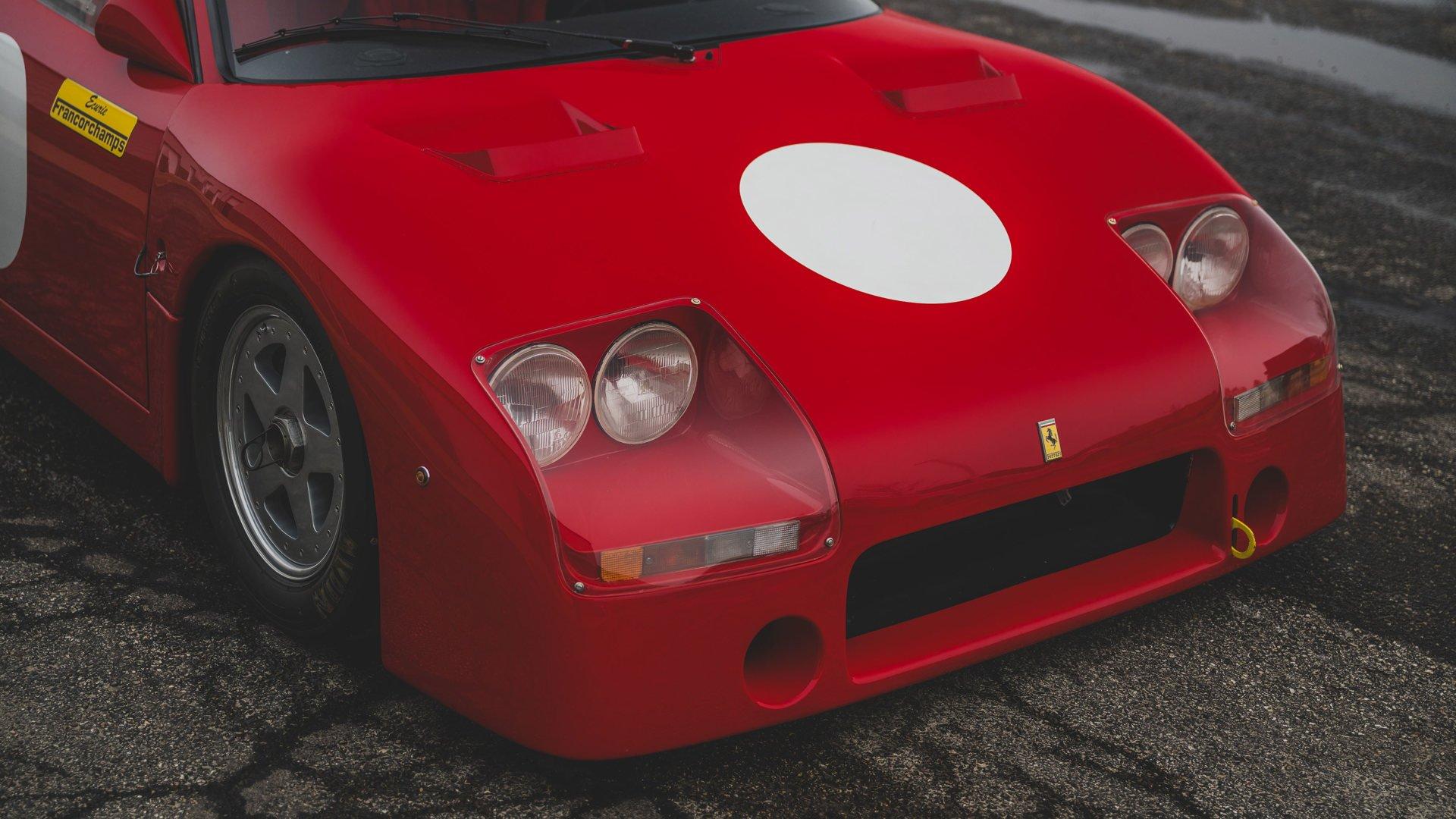
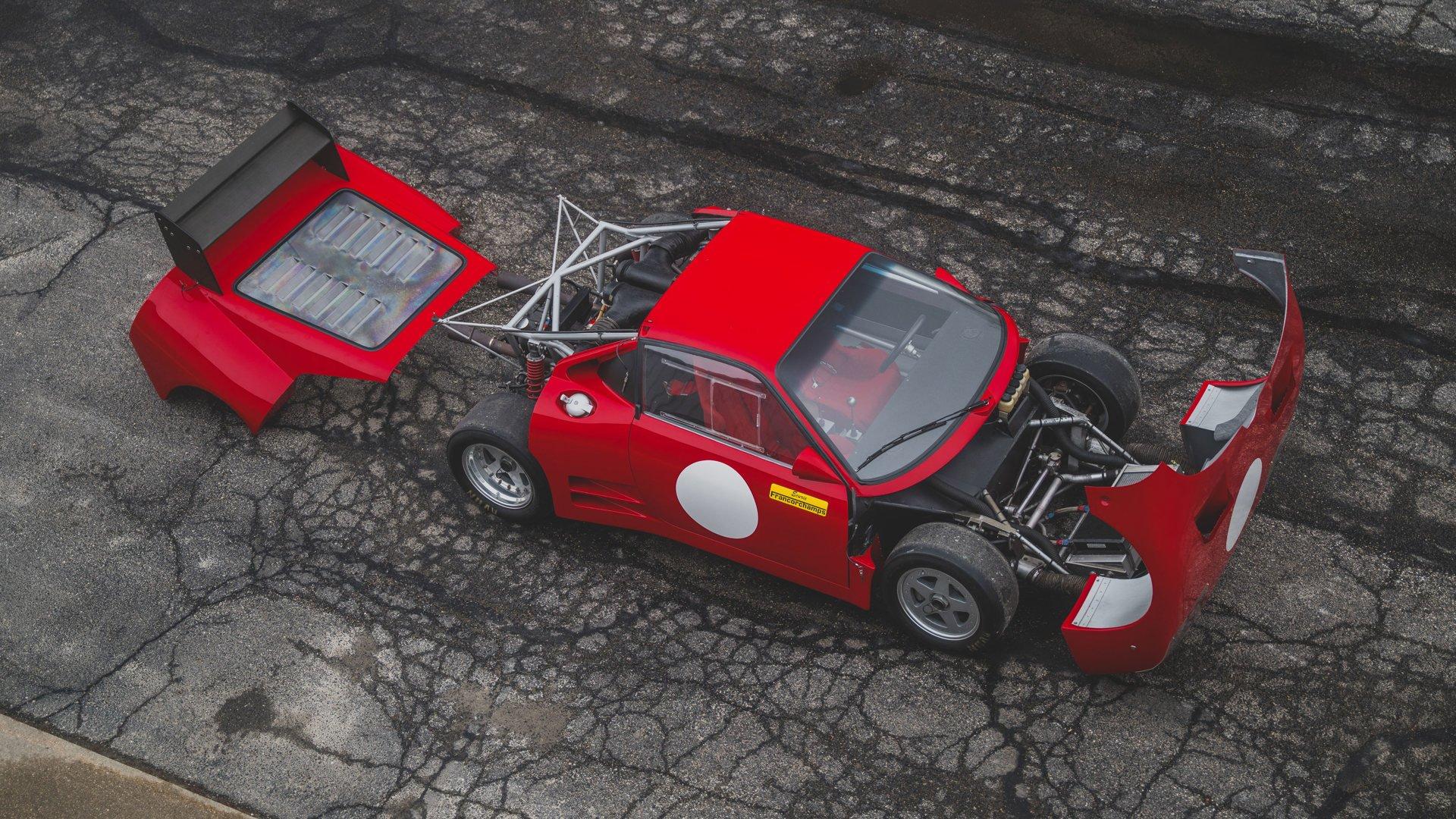
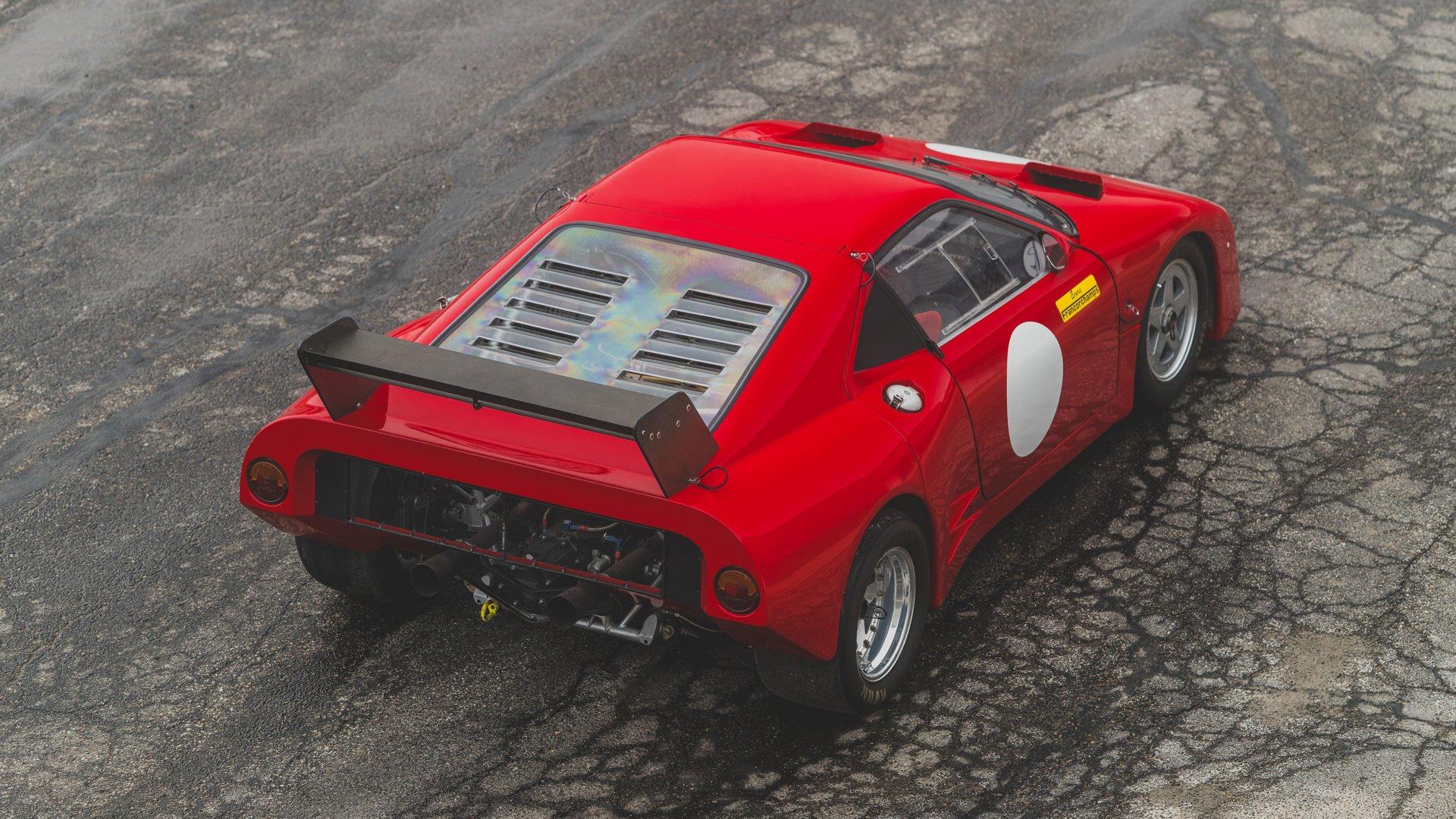
For sale by RM Sotheby’s art there MONACO Sale 2026 – 1984 Ferrari 308 GT/M

All details and more pictures HERE at RM Sotheby’s

Chassis Nr. 001

Estimate is 1.500.000 to 2.000.000 Mio. Euro

  • The ultimate evolution of the 308 platform; the first of only three examples built
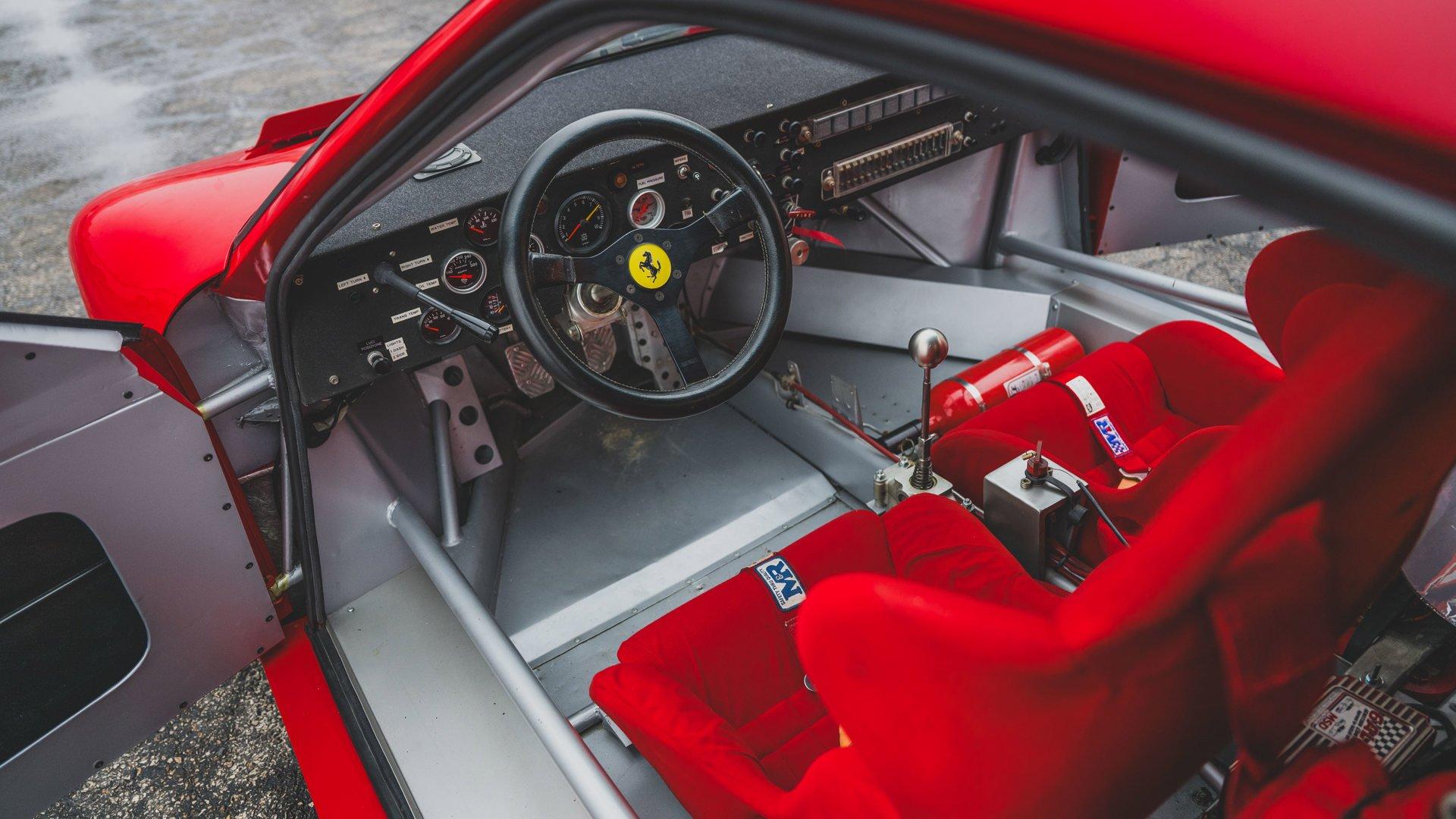
  • Key development car in the creation of the legendary Ferrari 288 GTO and F40
  • The first purpose-built race car designed and built primarily in the hands of the Michelotto family
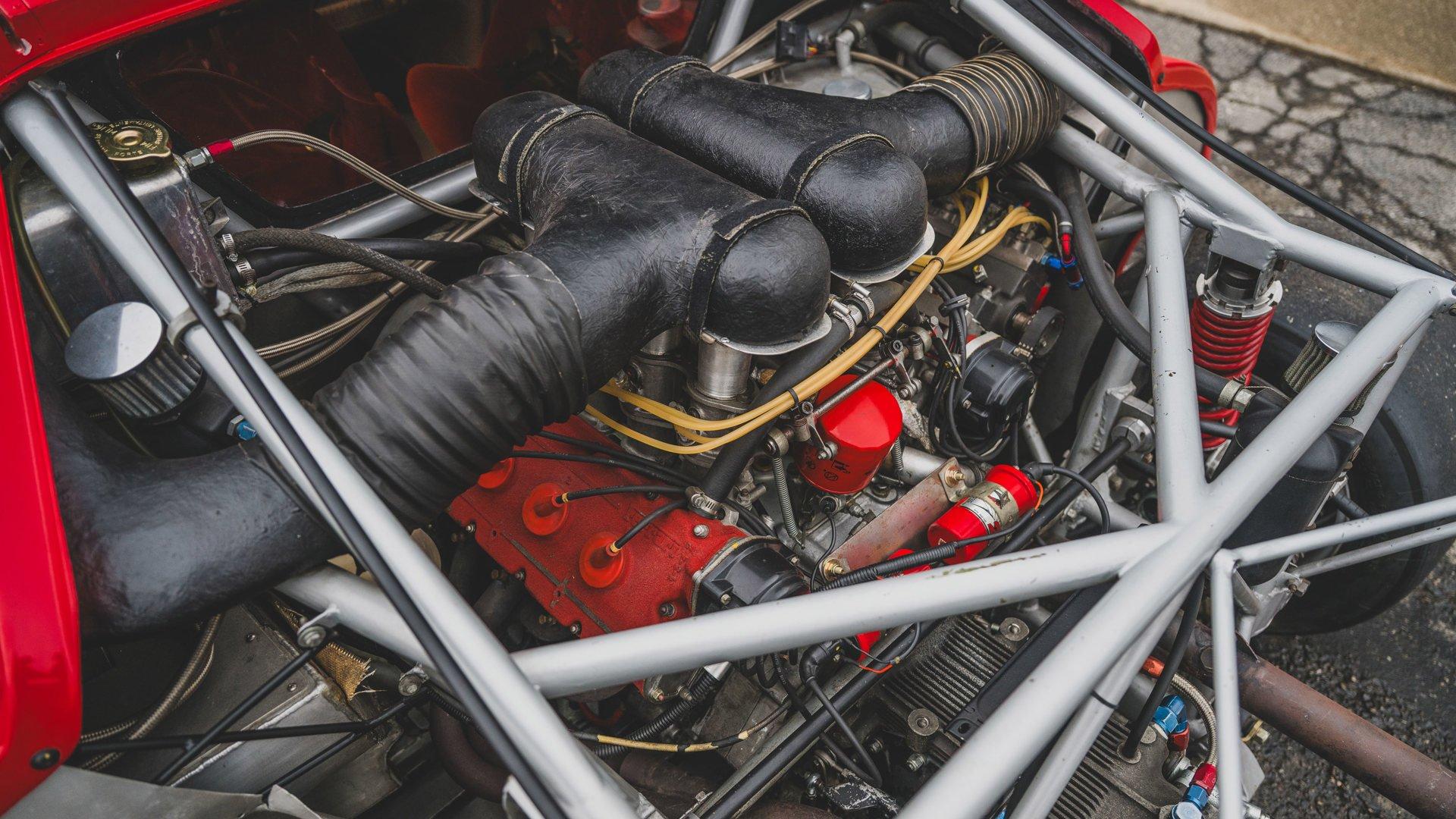
  • Currently fitted with a special, experimental Tipo F105L engine
  • Achieved blisteringly fast lap times around Fiorano during testing; quicker than the more powerful 512 BB/LM and subsequent F40
  • Sold by the factory to five-time 24 Hours of Le Mans podium finisher Jean Blaton in Belgium
  • Outstanding opportunity to own one of the few very special race cars from the dawn of the Ferrari hypercar era

While the 308 GT/M may not yet be a household name, the significance of the Michelotto-inspired race car should not be underestimated in Ferrari history. In the context of motorsport, it was conceived as the ultimate evolution of the mid-engined Ferrari 308 platform, only for the Group B formula that shaped its creation to evolve before the car properly had a chance to compete on behalf of the factory. Then, there’s its impact on the modern-day hypercar scene. For, without the GT/M, there might never have been the 288 GTO. And from that icon, Ferrari’s ‘Big Six’—completed by the F40, F50, Enzo, LaFerrari, and F80—was born to spur on rivals, not least Porsche and McLaren.

The GT/M’s distant cousin was the 308 GTB road car, which had already been adapted for competition. Between 1978 and 1983, variants entered a plethora of race and rally events in both Group 4 and succeeding Group B specification—most notably counting wins in the Targa Florio and Tour de France. But, in partnership with Ferrari, Michelotto—effectively the marque’s customer racing arm—decided to create a truly bespoke prototype.

As a result, the Bosch fuel-injected, four-valve-per-cylinder, 3.0-litre naturally aspirated V-8 engine was rotated to sit longitudinally in a tubular chassis, while power increased from 310 to circa 370 horsepower. The five-speed Hewland gearbox was mounted upside down to make room for a Formula 1-derived Borg and Beck clutch. The double-wishbone suspension was rose-jointed and matched with Bilstein dampers. Brembo supplied ventilated disc brakes and four-piston callipers, and a hydraulic handbrake was fitted to make light work of hairpin bends out on the rally stages. The mechanical components were then cloaked in more aerodynamic carbon fibre and Kevlar coachwork, crafted by Auto Sport of Bastiglia, for a total weight of a mere 840 kilograms. In fact, the 308 GT/M was the first Ferrari race car outside of F1 to gain a composite body.
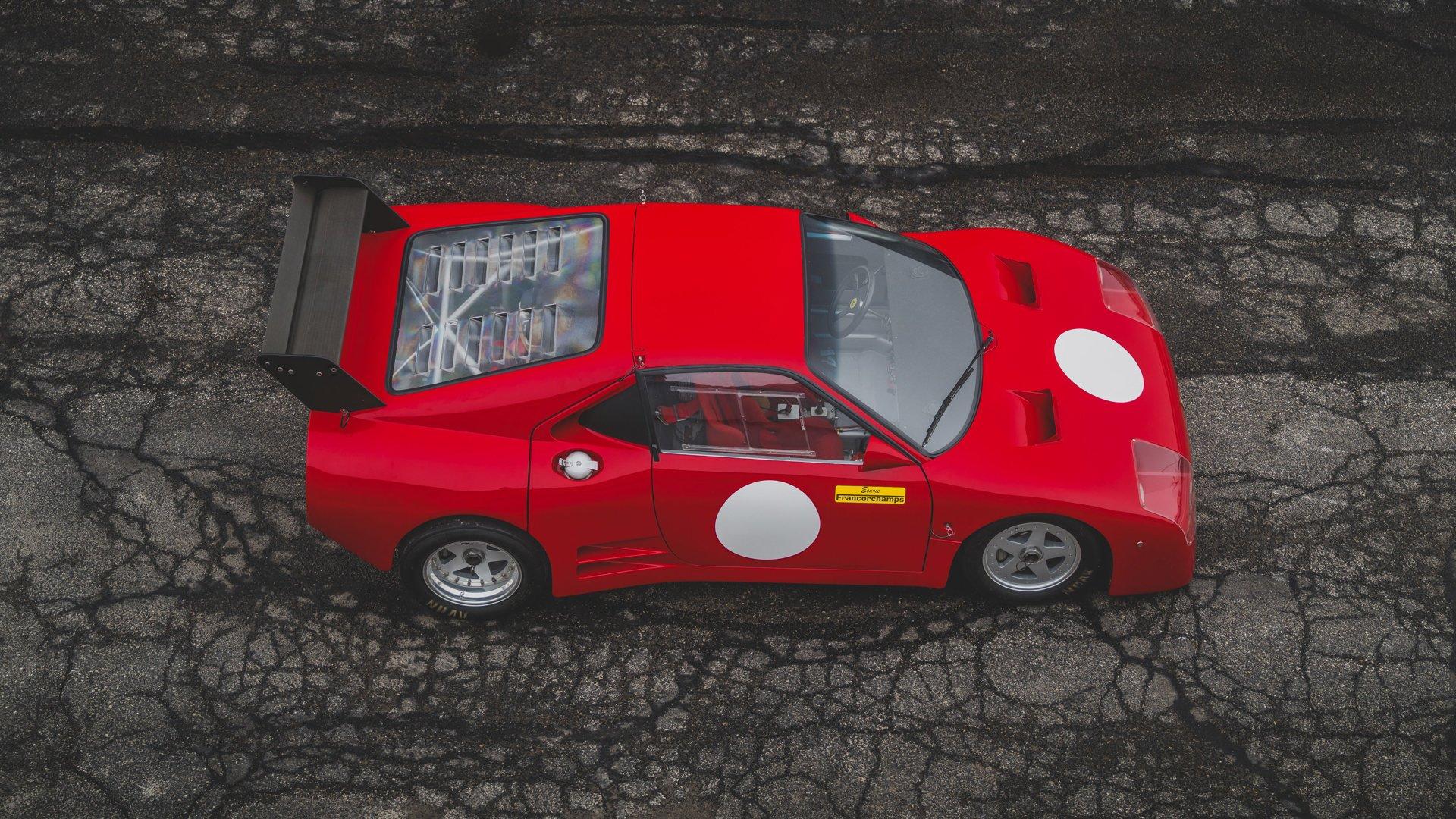
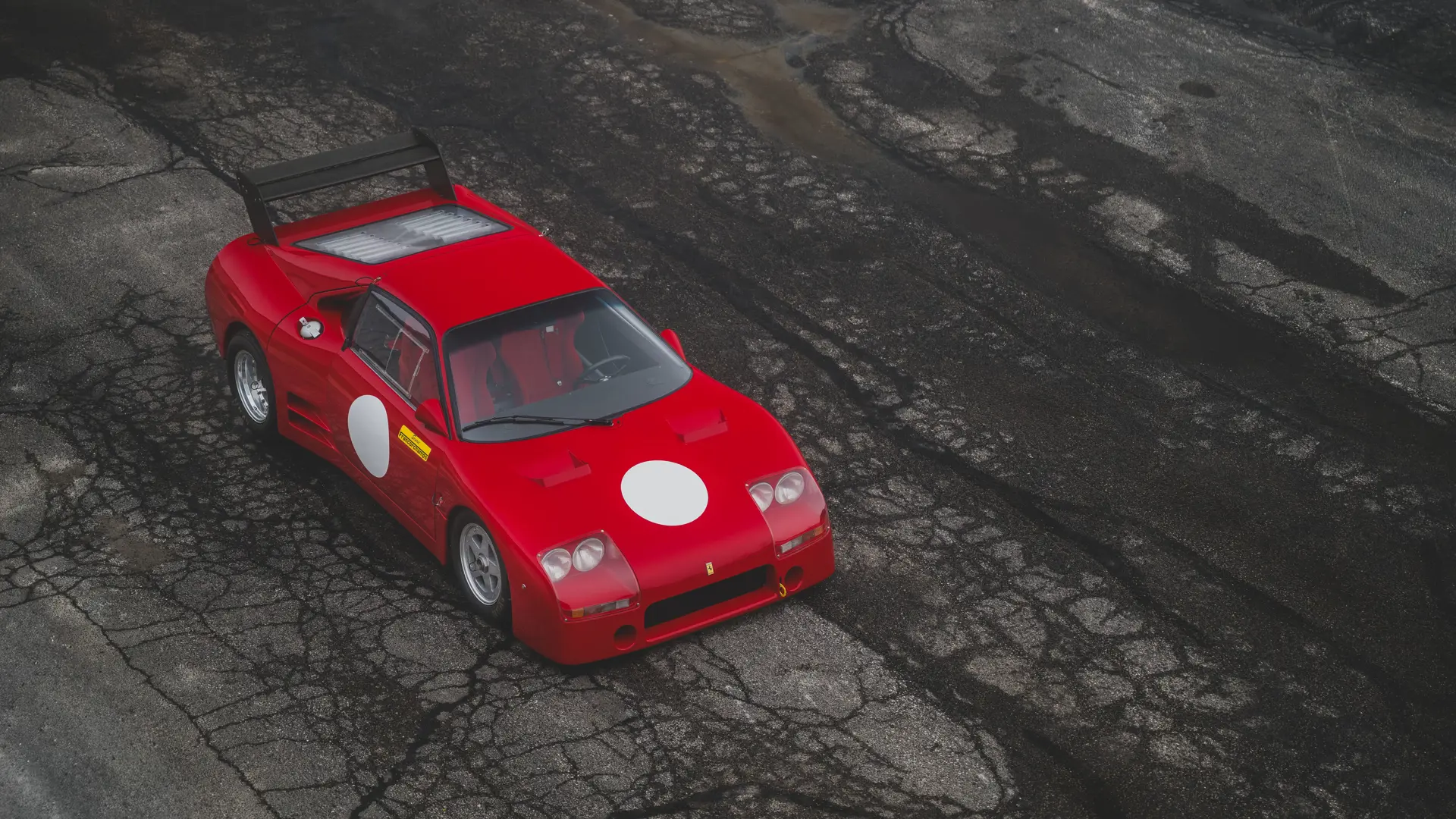
Designed with a low centre of gravity and to be easy to work on in overnight service parks, just three examples of the 308 GT/M were built by Michelotto. The first of those, chassis number 001 offered here, was tested extensively at Fiorano as parts were optimised and even different wheelbase lengths were tried. However, a full Works programme in Group B rally championships would ultimately be cut short. The limiting factor was a rear-wheel-drive layout at a time when the likes of the four-wheel-drive Audi quattro and Peugeot 205 Turbo 16 were coming to the fore.

While the 308 GT/M was being honed behind closed doors, in early 1984 loyal client Jean Blaton caught wind of this new silhouette racer. The five-time 24 Hours of Le Mans podium finisher approached Maranello to convince Michelotto to sell him chassis 001 via Ferrari concessionaire Garage Francorchamps. Entered under the banner of legendary Belgian race team Écurie Francorchamps, Blaton would campaign this car in club-level events during the mid-to-late 1980s, including at Circuit Goodyear in Luxembourg further to winning contests at Zandvoort in the Netherlands and Zolder in Belgium.

Of the two other 308 GT/Ms, chassis 002 appeared in the 1984 Rally Autodromo di Monza and showed promising speed to lead the event before crashing; the third car was built up at the end of 1986. The trio would come to have a long-lasting legacy, paving the way for the creation of the 288 GTO and, in turn, its F40, F50, Enzo, LaFerrari, and F80 successors.

In January 1996, chassis 001 was sold across the border to the former President of the Ferrari Owners Club of France, Mr Guy Domet. It was then purchased by an American custodian in December 2006 to be raced in the Ferrari-Maserati Historic Challenge series. Regularly enjoyed on track, it featured as part of the 2006 and 2007 Cavallino Classic meetings at Moroso Motorsports Park in Florida, at Road America in Wisconsin, Lime Rock Park in Connecticut, Sonoma Raceway in California, and Virginia International Raceway.

To keep the 308 GT/M in fine fettle for its use on circuit, the car was regularly prepared by Ferrari specialist Motion Products in Wisconsin. As part of the maintenance, the engine, driveshafts, cooling system, clutch, and transmission were routinely rebuilt and serviced. Invoices (dated from 2006 to April 2009; available to view on file) for the works and trackside support total almost $390,000.

Acquired by the consigning owner approximately 10 years ago, chassis 001 stands out as an incredibly rare Ferrari competition car that holds a fascinating backstory from the dawn of Ferrari’s hypercar era. Having achieved lap times at Fiorano that eclipsed the 288 GTO, F40, and even the larger V-12 engine 512 BB/LM, the 308 GT/M was proven to be blisteringly fast and one of the few extremely rare and exclusive race car models from an era that is now entering its golden period in the collector car market.

Versus the likes of the Ferrari 250 GTO, Testa Rossa, P series of endurances racers, and the Scuderia Formula 1 racers, the 308 GT/M might be lesser known in the annals of Maranello motorsport. But its impact on the marque’s flagship hypercars cannot be understated. The opportunity for the Cavallino connoisseur to add this to their stable is not to be missed.

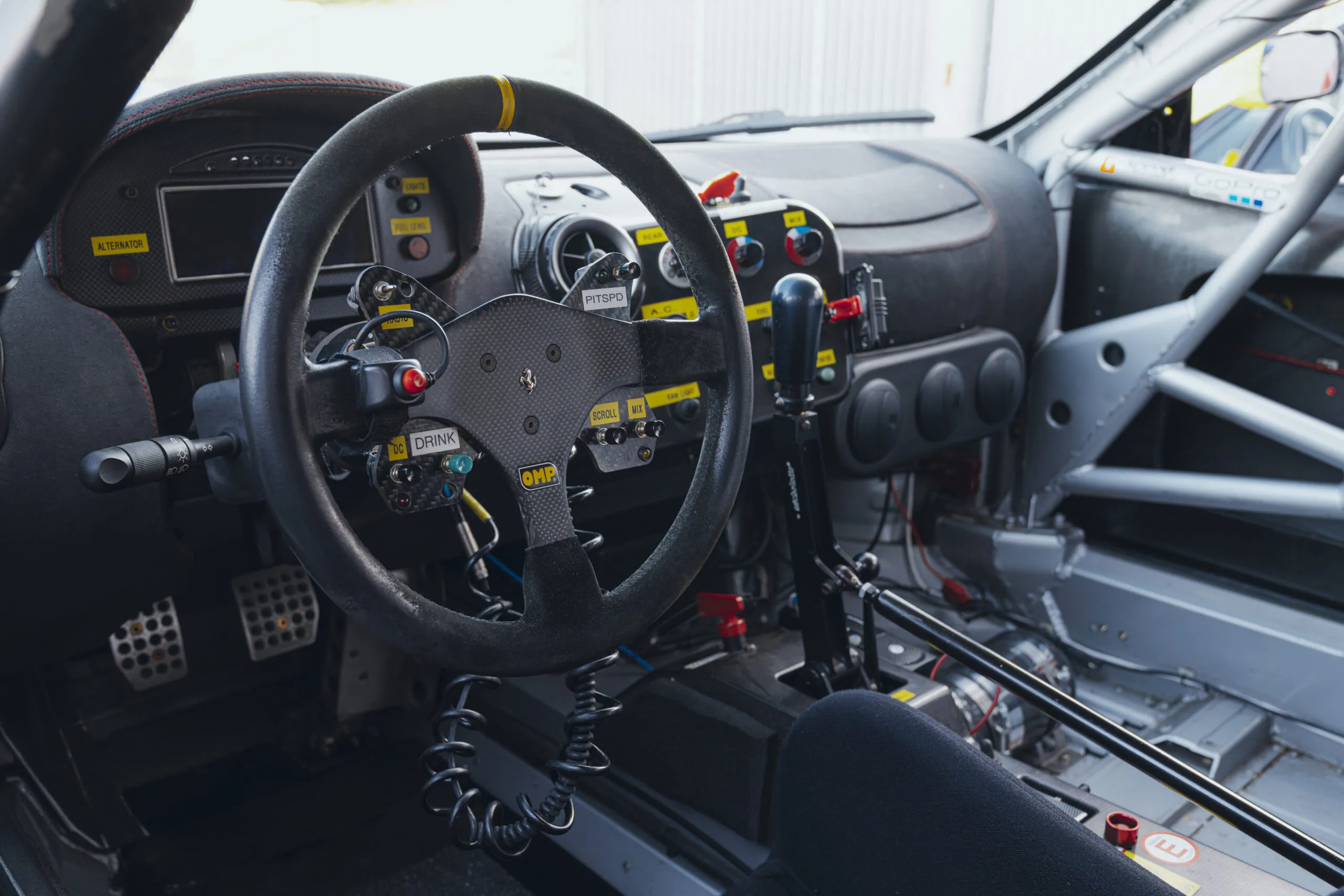
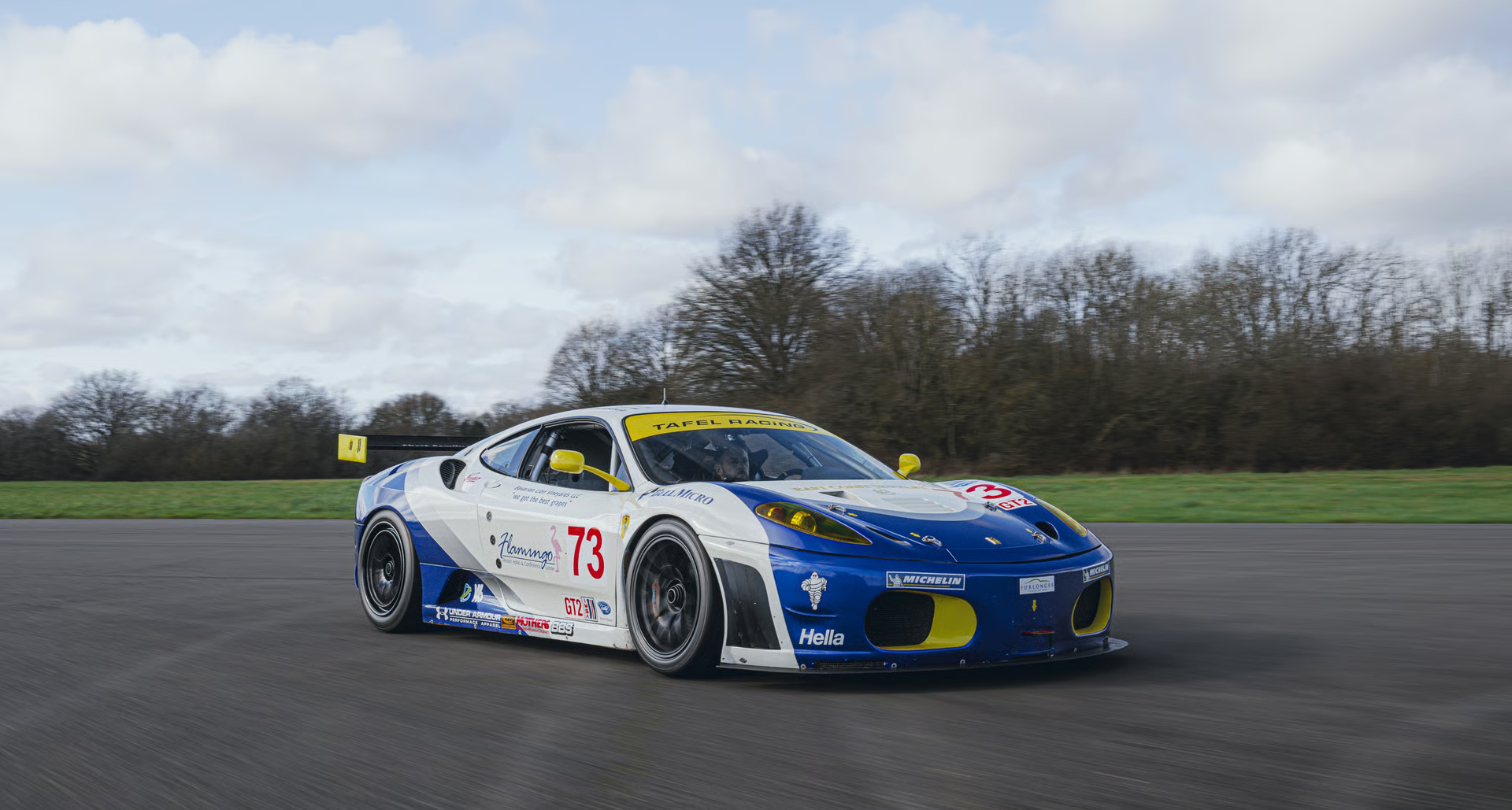
For sale – 2008 Ferrari F430 GTC / GT2 Evo

For sale is a 2008 Ferrari F430 GTC / GT2 Evo 

All details and more photos HERE at Simon Furlonger

POA

Chassis: 2610

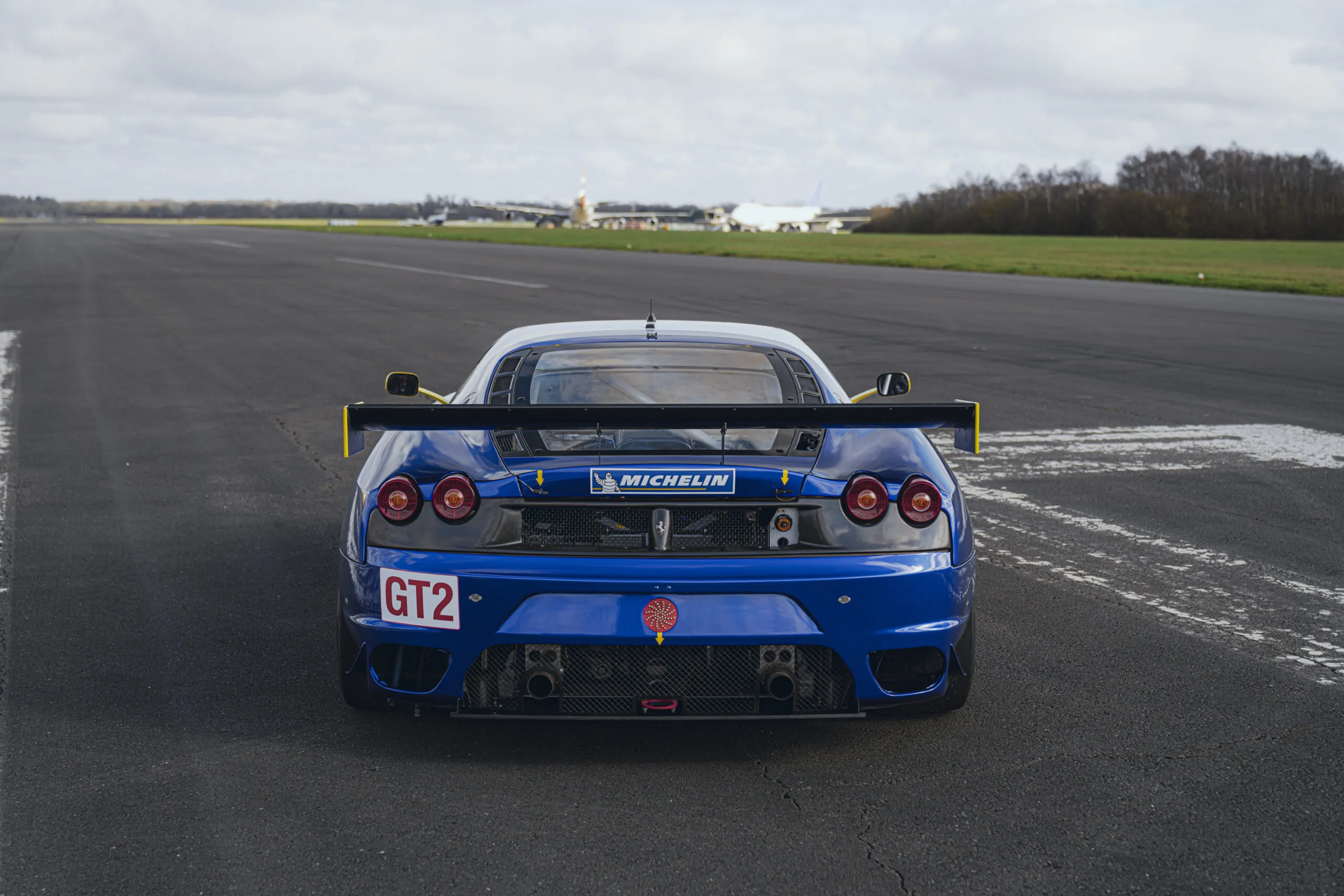
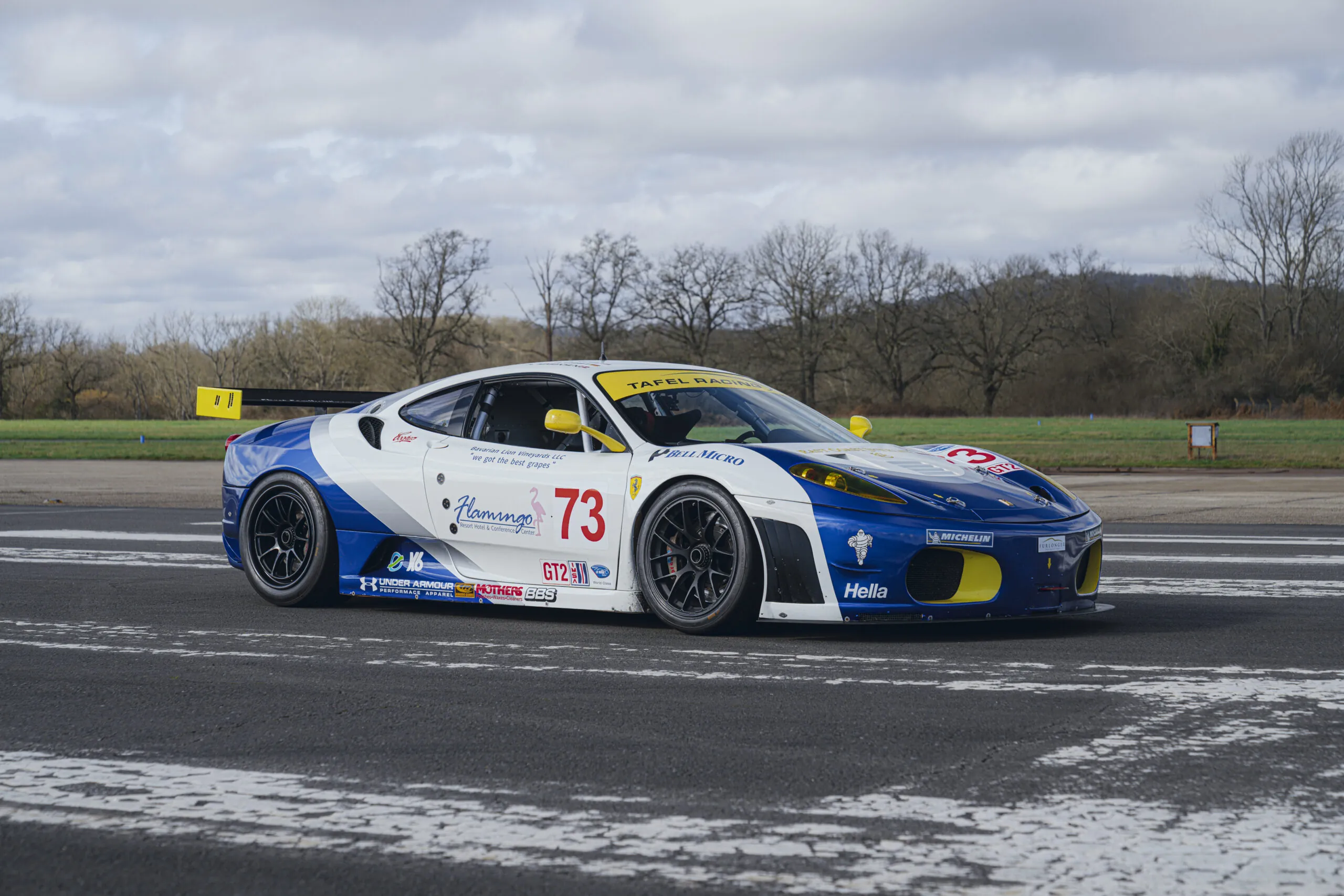
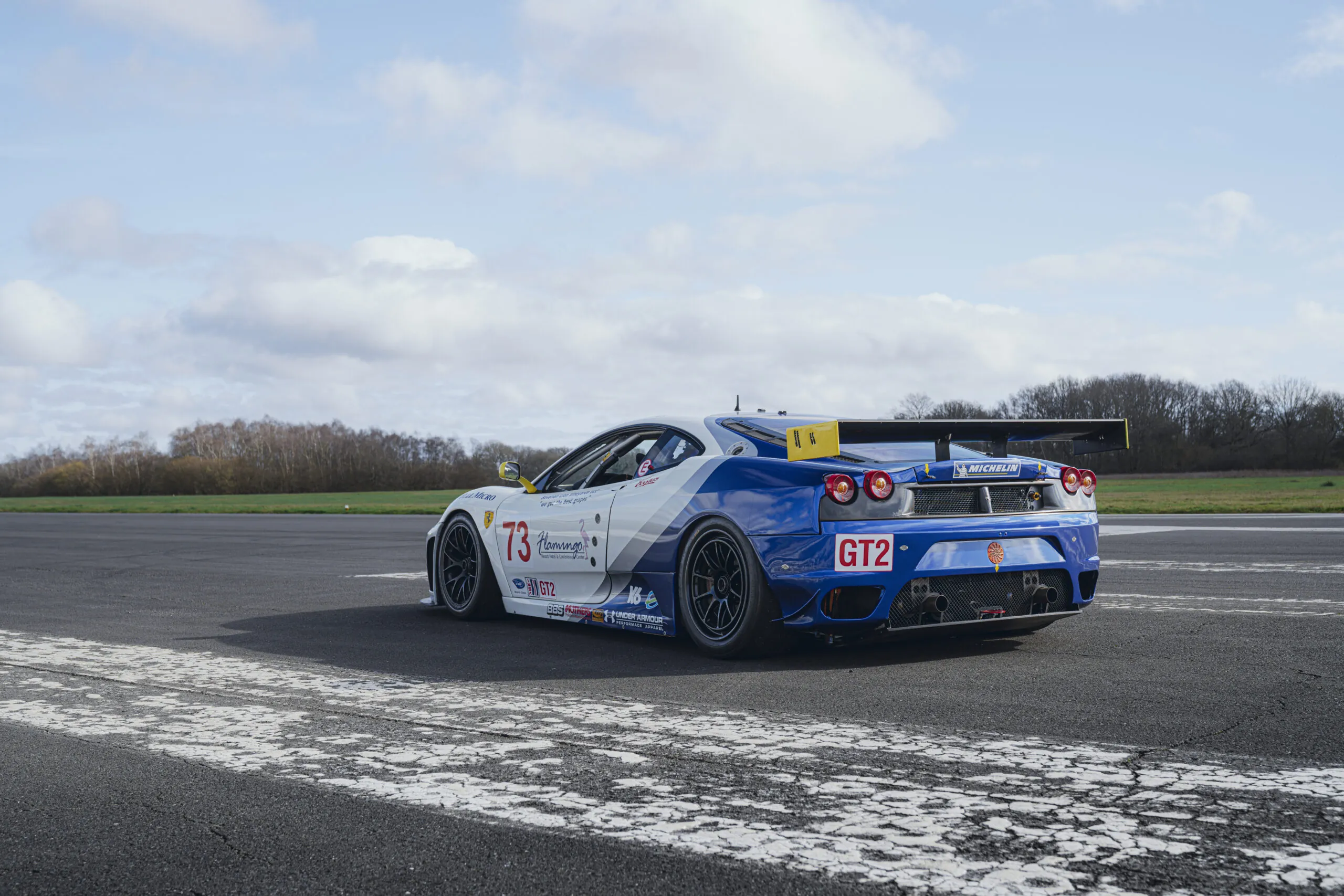
Ferrari’s abundant history of successful competition cars and countless victories is no mean feat, especially when it comes to the collaborative efforts undertaken by none other than Michelotto and Corse Clienti. The F430 GTC is no exception, a car that was built without compromise, proving itself astoundingly capable with class championship wins in the ALMS, FIA GT, and scoring class wins in 2007, 2009 and 2010 12 Hours of Sebring, at the 2008 and 2009 24 Hours of Le Mans, at the 2006, 2008, and 2009 24 Hours of Spa and at the 2008 and 2009 Petit Le Mans.

Furlonger are pleased to offer this Ferrari F430 GTC EVO, chassis no. 2610, 1 of just 14 GTCs produced, and one with impressive period results. The F430 GTC is eligible for a variety of high-quality championships and events including ‘Peter Auto Endurance Racing Legends’, ‘Masters Endurance Legends’ and Ferrari’s own exclusive ‘Clienti’ events.

The F430 GTC was designed to compete in international GT2 class racing, such as the American Le Mans Series, Le Mans Series, FIA GT Championship, and 24 Hours of Le Mans. The fastest and most unyielding motorsport version of the F430, the GTC is widely considered one of the most exciting and engaging contemporary racing cars produced by Ferrari.

One of two F430 GTCs ordered new by Pierre Ehret, a successful winery owner, businessman, and gentleman driver, chassis no. 2610 was configured without sparing any expense. Additional options included a data acquisition system, water and engine oil quick refilling equipment, air conditioning, 24-hour race lights, a carbon clutch and an uprated front brake cooling system.

Run by Tafel Racing, the pair of Ferrari F430 GTCs arrived at Sebring in March for the season-opening round of the American Le Mans Series — the legendary 12 Hours of Sebring and the most significant race on the calendar. Car No.73 was shared by its owner Pierre Ehret, team principal Jim Tafel, and the late Allan Simonsen. The highly respected Danish driver would later become an Aston Martin works driver, compete at Le Mans on seven occasions, and claim the 2009 Asian Le Mans Series GT2 Championship.

After an infamously gruelling twice-around-the-clock contest, No.73 crossed the line fourth in class, a remarkable result that saw it finish ahead of its sister Ferrari and just three laps shy of a podium position.

From Sebring onwards, No.73 delivered a season defined by consistency and pace. Competing in nine ALMS rounds at some of North America’s most iconic circuits, including Road Atlanta and Laguna Seca, the Ferrari secured top-ten finishes in eight races, with just a single retirement marring an otherwise exceptional campaign.

Thanks to this consistent points-scoring form, Tafel Racing finished second overall in the GT2 class of the 2008 American Le Mans Series Championship, narrowly missing out on the title by just 16 points to the Flying Lizard Porsche 911 RSR, while finishing a commanding 36 points ahead of the factory-backed Risi Competizione Ferrari effort.

Chassis #F131EVOGTC 2610 was retired and sold following its debut ALMS season, carefully preserved and maintained. Its outstanding provenance and exceptional originality later attracted the attention of its next owner, during whose stewardship the Ferrari returned to competition for selected rounds of the 2012 Pirelli World Challenge. Driven by David Welch, the then four-year-old F430 GTC recorded three further top-ten finishes against significantly newer machinery.

Although it first raced over a decade ago, this Ferrari is now eligible for some of the most desirable historic racing series in the world. These include the Peter Auto Endurance Racing Legends, where it stands as the most recent and therefore ultimate GT2 Ferrari eligible, as well as the Masters Endurance Legends series, alongside invitations to Ferrari Challenge and exclusive GT Days.

Recently restored to its iconic 2008 Sebring 12 Hours livery and prepared in 2019 by respected marque specialist Bob Houghton, the car has since been run at a handful of private track days. Remaining highly original throughout, #F131EVOGTC 2610 is now offered for sale and poses an exciting opportunity to purchase one of Ferrari’s most visceral and engaging racing cars.